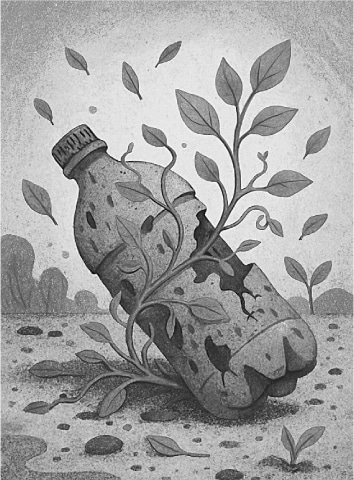
SINCE the planet has already suffered a lot at the hands of plastic pollution, it is imperative to recognise the significance of biodegradation as one of the most promising solutions to curb the plastic menace. As a bioremediation strategy, biodegradation of plastic simply means the use of microorganisms, including bacteria, fungi and other such organisms, that have the capability of degrading petroleum-based plastic in a manner that would render the synthetic plastic degraded in the environment.
Such microbial strains are present ubiquitously in those environments where plastics are dumped, such as landfills. And, with overflowing landfills littered across Pakistan, we really need to take biodegradation seriously.
Researchers have not only isolated such strains, but also managed to produce genetically modified bacteria/fungi capable of easily degrading synthetic plastics. Even the microbial enzymes of such microorganisms have been employed for purposes like studying the intricacies of the biodegradation process to make it more effective in the future.
Pakistan is among the countries where the use and misuse of plastic allow the environment to host microbial strains that are capable of decomposing plastic. Having a keen and professional interest in this field, I myself have isolated and identified several bacterial and fungal strains in my research. The optimisation of biodegradation process, I think, can be exploited in an industrial setup where synthetic plastics would be degraded in the same manner as biological and micro-biological systems are used to treat industrial wastewater.
The dearth of resources and govern-ment’s assistance are the only hindrances, otherwise Pakistan surely has the potential to streamline an effective plastic waste management plan pivoted around bio-degradation, and become a global leader in this regard.
Of all plastic waste management tech-niques, including incineration, landfilling and recycling, biodegradation is the most eco-friendly process of getting rid of hazardous plastics.
The government should encourage research to explore plastic degrading microorganisms, and optimise the process of biodegradation to get effective outcomes.
Saman Aftab
Lahore
Published in Dawn, October 7th, 2025