0
0
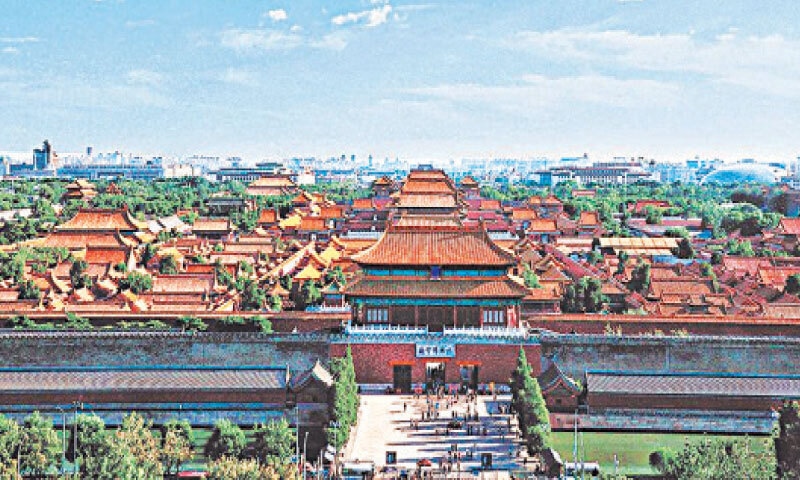

FROM imperial decline and wartime peril to global recognition and digital innovation, the Palace Museum’s story is one of resilience, devotion and cultural brilliance.
It was Nov 5, 1924. The last emperor of China, Puyi, was suddenly driven out of the Forbidden City by a warlord, when the country suffered from a lasting and deep social crisis.
More than 12 years after the monarchy fell, Puyi, who was allowed to keep his royal title within the compound surrounded by red walls — the inner court of the Forbidden City — and, in fact, had never left — finally bid farewell to this enclave of a long-gone imperial era.
For this mighty architectural complex, which dates back to 1420 and spans over 720,000 square meters in the heart of the ancient city of Beijing, a new epoch had come.
The Palace Museum was established the following October: The city was no longer “forbidden”. A curtain was lifted on a century-long story of perseverance, diligence and dedication to safeguarding history.
In 1933, Japanese invaders had arrived at the foot of the Great Wall. As war loomed over Beijing, a massive rescue mission was launched to relocate more than 13,000 boxes of precious cultural relics from the Palace Museum southwards, and later westwards, to protect them from destruction.
None of the treasures were destroyed in the yearslong trek across half of China, which was a miracle. Yet, many large pieces had to remain behind. The most significant “relic” of all — the breathtaking Forbidden City itself — could never be moved.
During the years when Beijing fell into enemy hands, the museum’s custodians undertook an unprecedented surveying and mapping of the palace complex, a pinnacle of ancient Chinese construction. At the very least, they hoped to leave references for future generations, should this cultural wonder disappear in war.
The museum seemed blessed. Against all odds, it survived, remaining through hardship and upheavals, until it finally embraced the dawn of new times.
Since 1949, the year when New China was founded, comprehensive inventories, studies, and the restoration of its collections have continued.
Published in Dawn, September 29th, 2025