ISLAMABAD: Commerce Minister Jam Kamal Khan on Friday said the government is finalising a five-year Textiles and Apparel Policy aimed at making the sector regionally competitive, removing trade barriers and ensuring sustainable export growth.
He added that a National Industrial Policy was also in the works to strengthen long-term export prospects and position Pakistan’s manufacturing sector for global integration. Both initiatives are designed to enhance competitiveness and address longstanding inefficiencies.
The minister was speaking at a meeting with leading industrialists, including Kohinoor Mills CEO Aamir Fayyaz Sheikh, Aptma Chairman Kamran Arshad, Fazal Cloth CEO Rehman Naseem, and Aptma Executive Director Shahid Sattar. Special Assistant to the Prime Minister on Industries and Production Haroon Akhtar Khan also attended.
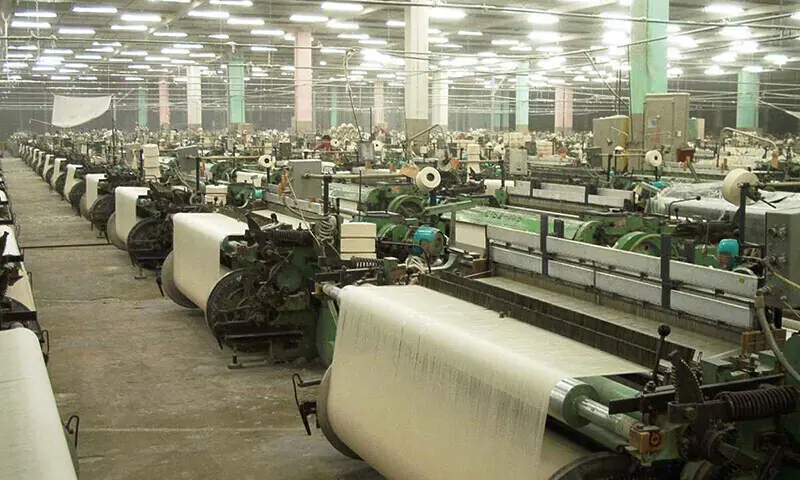
According to an official statement, the commerce minister said the Textiles and Apparel Policy will focus on reducing manufacturing costs, improving productivity, promoting research and development, diversifying markets and products, and increasing Pakistan’s share in global trade.
He stressed that export growth must be Pakistan’s priority and assured stakeholders that policy decisions would be made in consultation with industry representatives. For the first time, he said, the government and industry were aligned in their determination to revive and expand exports.
Mr Jam also welcomed Aptma’s proposal to study the policies of regional competitors. Sharing insights from his recent visit to Dhaka, he noted Bangladesh’s success in industrial growth and readymade garment exports.
Special Assistant Haroon Akhtar said the National Industrial Policy would go beyond a few sectors to cover the entire industrial landscape. It would address energy, tariffs and taxation, financing, and economic zones, while also facilitating Greenfield projects, introducing land-lease models under public-private partnerships, and establishing a one-window facility for investors.
He added that under the vision of Prime Minister Shehbaz Sharif, the new policy would inject momentum into industrial growth nationwide.
Industry’s concerns
The Aptma delegation urged the government to eliminate structural inefficiencies and create an enabling environment to boost competitiveness of export sectors.
The meeting concluded on a note of optimism, with both sides expressing confidence in boosting exports through sustainable policy support and collaborative efforts.
Published in Dawn, August 30th, 2025