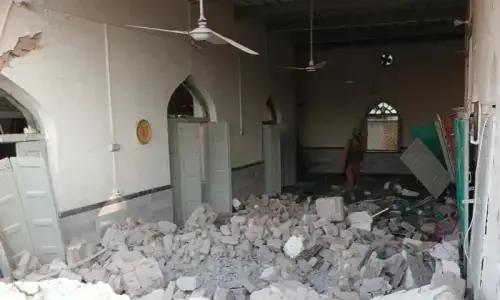
Gunmen killed at least 30 people in an attack on a mosque in northwestern Nigeria earlier this week, according to a resident and a lawmaker, with another 20 people killed in neighbouring villages.
“Bandits”, as members of criminal gangs are locally known, struck a mosque in the town of Unguwar Mantau, in Katsina state’s Malumfashi local government area on Tuesday, with a conflict monitor reporting an initial toll of 13 dead.
The attack on worshippers at early morning prayers came despite a rash of recent peace deals in Katsina state meant to stem the tide of gang attacks — though Malumfashi had not been among the local governments to strike a truce.
“Nine worshippers were killed on the spot and many others died in the course of the day. The latest toll stands at 32,” resident Nura Musa told AFP on Wednesday.
Local politician Aminu Ibrahim told the Katsina House of Assembly on Tuesday that the attackers had killed 30 people.
“They burnt alive 20 others during attacks on several villages” nearby, he said.
Bandits have for years preyed on rural communities in northwest and central Nigeria, raiding villages, kidnapping residents for ransom and burning homes after looting them.
Possible retaliation
Musa told AFP that Tuesday’s attack came after local self-defence vigilantes had ambushed a bandit gang over the weekend.
“The vigilantes keep vigil from dusk to dawn, patrolling the village and environs against bandits,” he said.
After ending their watch, they went to the mosque “at dawn to say the morning prayers with other worshippers before retiring”, he said.
“As they were praying, the bandits launched a surprise attack on the mosque. They opened fire on worshippers and fled.”
The bandits also attacked other nearby towns and kidnapped “several people”, Musa said.
Nigeria’s banditry crisis originated in conflicts over land and water rights between herders and farmers, which has since morphed into organised crime.
The gangs have turned cattle theft, kidnapping and imposing taxes on farmers into huge moneymakers across the impoverished countryside, where the government’s presence has long been nearly non-existent.
Even in communities that do strike peace deals with bandits, the reprieve can be short-lived if the gunmen or authorities fail to uphold the bargain.
Bandits — who often keep the majority of their weapons after any deal — have also been known to exploit truces to establish safe havens in areas covered by such agreements, while continuing to launch attacks elsewhere.
Security in Kaduna state’s Birnin Gwari district improved after a truce in November, but neighbouring Katsina and Niger states have seen a rise in bandit attacks.
“The situation has become unbearable. Our people can no longer live in their villages because of these relentless attacks,” Ibrahim, the lawmaker, said.