0
0

ISLAMABAD / RAWALPINDI: The United Nations Office for the Coordination of Humanitarian Affairs (UNOCHA) has urged Pakistan to urgently strengthen its disaster risk reduction strategies as the country faces growing vulnerabilities to natural disasters.
The warning comes as the Pakistan Meteorological Department (PMD) forecasts heavy monsoon rains and increased risks of glacial lake outburst floods (Glofs), flash floods and landslides in vulnerable regions.
UNOCHA’s report highlights that Pakistan’s geographical location along tectonic fault lines and its exposure to extreme climate variability make it highly susceptible to earthquakes, floods, droughts and other hazards.
These challenges are compounded by political instability, regional conflicts and security issues.
PMD forecasts heavy rains, Glofs, landslides in several parts of country
The report stresses the urgent need for Pakistan to prioritise disaster risk reduction, strengthen early warning systems and invest in community resilience. It also calls for improvements in governance and resource management to effectively address future emergencies while safeguarding long-term development.
“Floods are among the most recurring and damaging disasters, affecting millions of people each year. The devastating 2022 floods alone impacted over 30 million people, causing economic losses equivalent to nearly six per cent of the national GDP,” it says.
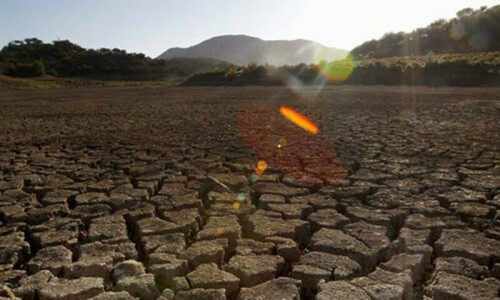
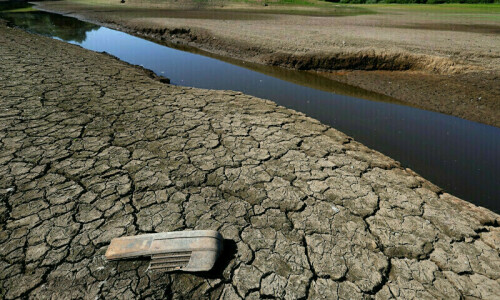
In addition to natural disasters, the country is grappling with the effects of climate change, including rising sea levels, extreme weather events and disrupted agricultural cycles. Droughts, especially in arid regions, exacerbate water shortages and severely impact agriculture and livestock.
Another monsoon spell
From Aug 14 to 22, Pakistan is expected to experience another spell of monsoon rains, as the Pakistan Meteorological Department (PMD) has warned of urban flooding in the country’s upper regions. It has also raised concerns about Glofs, flash floods and landslides in vulnerable areas of Gilgit-Baltistan and KP.
Monsoon currents from the Arabian Sea will continue to penetrate the upper regions of Pakistan.
Published in Dawn, August 13th, 2025