New Delhi bans fuel for old cars in anti-pollution bid


 0
0
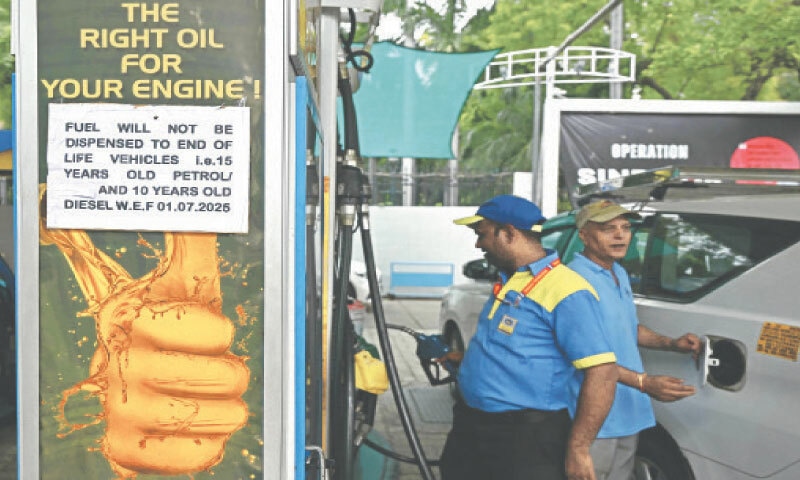

NEW DELHI: India’s capital banned fuel sales to ageing vehicles on Tuesday as authorities try to tackle the sprawling megacity’s hazardous air pollution.
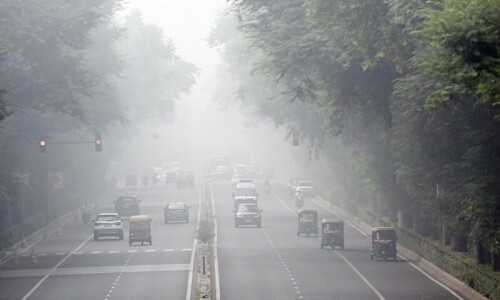
The city is regularly ranked one of the most polluted capitals globally with acrid smog blanketing its skyline every winter.
At the peak of the smog, levels of PM2.5 pollutants — dangerous cancer-causing microparticles small enough to enter the bloodstream through the lungs — surge to more than 60 times the World Health Organisation’s recommended daily maximum.
Petrol cars older than 15 years, and diesel vehicles older than 10, were already banned from operating on New Delhi’s roads by a 2018 Supreme Court ruling.
But millions flout the rules. According to official figures, over six million such vehicles are plying the city’s streets. The ban that came into force on Tuesday seeks to keep them off the roads by barring them from refuelling.
Police and municipal workers were deployed at fuel stations across Delhi, where number plate-recognising cameras and loudspeakers were installed.
“We have been instructed to call in scrap car dealers if such vehicles come in,” said a traffic policeman posted at a fuelling station in the city.
From November, the ban will be extended to satellite cities around the capital, an area home to more than 32 million people.
A study in the Lancet medical journal attributed 1.67 million premature deaths in India to air pollution in 2019. Each winter, vehicle and factory emissions couple with farm fires from surrounding states to wrap the city in a dystopian haze.
Cooler temperatures and slow-moving winds worsen the situation by trapping deadly pollutants. Piecemeal government initiatives, such as partial restrictions on fossil fuel-powered transport and water trucks spraying mist to clear particulate matter from the air, have failed to make a noticeable impact.
Published in Dawn, July 2nd, 2025