WASHINGTON: As the world grapples with escalating conflicts, deepening geopolitical rifts, and growing doubts over the efficacy of multilateral institutions, Pakistan assumes the presidency of the United Nations Security Council on Tuesday, taking on a symbolic but strategic role at a particularly fraught moment.
This marks Pakistan’s eighth term on the 15-member body and its first presidency since 2013. Islamabad began its current two-year term as a non-permanent member in January 2025 and will serve through the end of 2026.
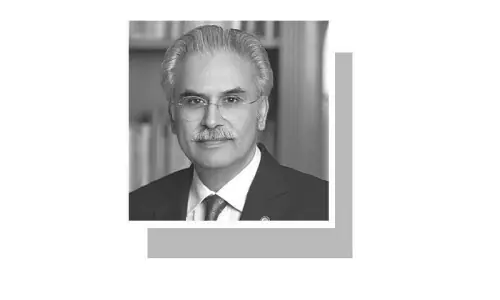
Talking to Dawn, Pakistan’s Permanent Representative to the UN, Ambassador Asim Iftikhar Ahmad, noted the challenges that define the current international landscape.
“Pakistan is going to assume the presidency of the United Nations Security Council at a time of global tumult marked by growing instability, escalating conflicts, complex geopolitical and geostrategic landscape, and serious threats to international peace and security,” he said.
A familiar role
While the presidency rotates monthly and does not carry executive authority, it allows the presiding country to influence the Council’s agenda and tone — a platform that matters at a time when the UNSC is increasingly seen as deadlocked, especially on issues like Gaza and Ukraine. With global trust in multilateral mechanisms under strain, Pakistan’s leadership — even if brief — will be closely watched.
The ambassador underscored Pakistan’s commitment to its long-held positions on peaceful conflict resolution. “Pakistan has been a staunch and consistent advocate of dialogue and diplomacy… We will bring a principled and balanced perspective to the work of the Security Council,” he said, pledging to strengthen multilateralism and deepen cooperation with other UNSC members. “We seek to promote transparency, inclusivity and responsiveness during Pakistan’s presidency,” said Ambassador Ahmad. “We will closely work with other Council members in a spirit of cooperation for collective and timely action… in line with the UN Charter and corresponding to the expectations of the international community.”
Published in Dawn, July 1st, 2025