LAHORE: The government has, in principle, agreed to withdraw the 18 per cent sales tax imposed on the local sale of cotton, yarn, and grey cloth, provided the International Monetary Fund (IMF) permits it, to ensure a level-playing field for both local and imported cotton and its products.
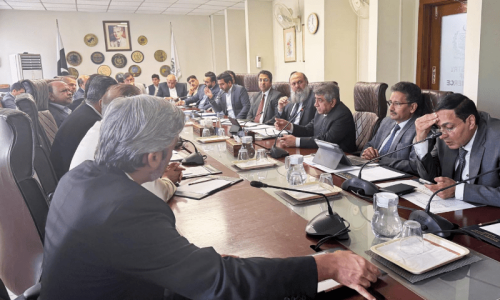
Dawn has learned that the committee of federal ministers and secretaries, formed on the directive of Prime Minister Shehbaz Sharif following a request from the Pakistan Cotton Ginners Association (PCGA), All-Pakistan Textile Mills Association (Aptma) and Pakistan Ready-Made Garments Manufacturers & Exporters Association (PRGMEA), met in Islamabad on Monday and agreed to withdraw the 18pc sales tax on the local sale of cotton, cotton yarn, and grey cloth.
The final approval of this decision will be given by the prime minister in the next couple of days.
Analysts believe that if implemented, this decision could raise local cotton prices by up to Rs1,000 per maund, reduce cotton imports, and save significant foreign exchange currently spent on importing cotton and yarn. It is also expected to curb the growing trend of undocumented cotton trade in the local market, helping to enhance government revenue.
Final approval from PM expected in a couple of days; move subject to IMF permission
Under the Export Facilitation Scheme, sales tax exemptions had been granted to imported cotton, yarn, and grey cloth, while an 18pc sales tax was levied on their domestic sale. This disparity led to an economic crisis, with cotton imports reaching record highs while the local market struggled. There were also concerns about a sharp decline in cotton cultivation this year.
In response, stakeholders demanded that the federal government abolish the sales tax on local cotton and its products to boost the economy. Following these persistent demands, PM Shehbaz formed a committee consisting of three federal ministers — Finance Minister Aurangzeb, Planning Minister Ahsan Iqbal and Commerce Minister Jam Kamal Ahmed — along with relevant federal secretaries.
The committee held extensive discussions with representatives of the PCGA, Aptma and PRGMEA over several days. After understanding their positions in detail, it was decided to hold another meeting to resolve the issue.
Ahsan Iqbal, Jam Kamal Ahmed, and relevant federal secretaries met again on Monday in Islamabad, where all stakeholders unanimously agreed to abolish the 18pc sales tax on the domestic sale of cotton, yarn, and grey cloth.
PCGA Chairman Dr Jasoo Mal and former chairman Sohail Mahmood Haral informed the federal ministers that this decision would fully revitalise the cotton industry, reducing imports, improving the country’s foreign exchange reserves, and raising cotton prices, benefiting growers this year.
Cotton Ginners Forum Chairman Ihsanul Haq argued that if the government cannot exempt the local cotton sector from the tax due to IMF pressure, it should at least impose a similar tax on imported cotton and its products to provide a level-playing field for the local industry and growers.
Published in Dawn, April 8th, 2025