0
0

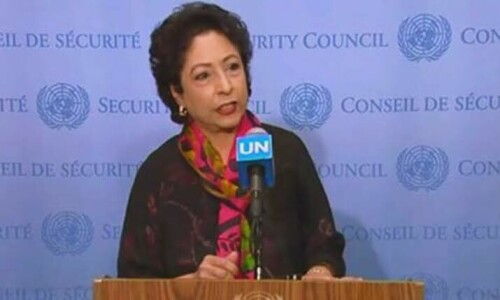
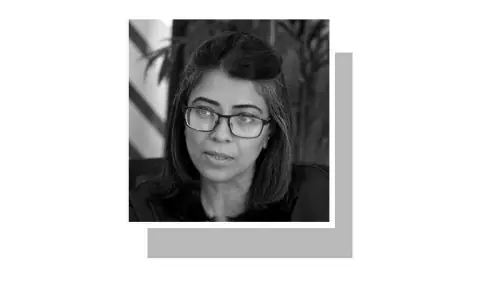
ISLAMABAD: Pakistan must integrate soft power into its foreign policy and diplomacy to strengthen its international standing, former envoy Dr Maleeha Lodhi said.
Speaking to members of the Asia Study Group in Islamabad in a conversation with historian Dr Dushka Saiyed, Dr Lodhi defined soft power as the ability to persuade and att-ract, distinguishing it from hard power, which relies on military and economic strength. A nation’s soft power, she noted, derives from its culture, values, and foreign policy conduct.
“Many countries, including the global powers, effectively use soft power to enhance their clout and international influence,” she said. “In today’s multipolar world, where power is dispersed, the role of soft power has become even more critical.”
She identified four key factors amplifying the importance of soft power: the shift towards a multipolar world, an increasingly competitive global environment, the rising significance of foreign public opinion in shaping a country’s image, and the opportunities provided by the digital age to project positive attributes internationally.
Ex-envoy says countries use art, music, literature for international image
Branding is a crucial tool in modern diplomacy, Dr Lodhi said, noting that countries use art, music, and literature to cultivate a favourable international image. Drawing from her experience in both bilateral and multilateral roles, she explained how public diplomacy efforts could reshape narratives and facilitate diplomatic achievements.
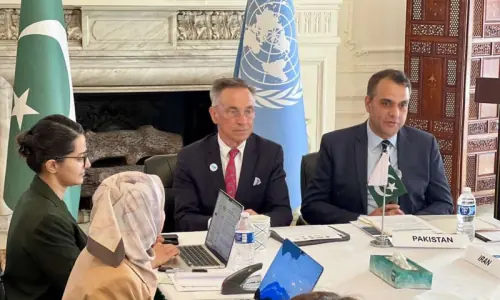
The former envoy cited examples from her tenure at the United Nations, where she leveraged cultural diplomacy to mobilise electoral support for Pakistan in UN elections.
She recalled organising concerts at the UN featuring Rahat Fateh Ali Khan and the Sachal Jazz Ensemble, as well as hosting a Pakistan street food festival and an Eid celebration. Two film festivals she spearheaded in New York, with backing from the Pakistani community, also helped promote a positive image of the country.
“Soft power is about winning hearts and minds,” Dr Lodhi said. “In an era where perception shapes policy outcomes, Pakistan must prioritise public diplomacy to advance its foreign policy objectives.”
Published in Dawn, February 28th, 2025