ISLAMABAD: Obstacles like religious ideologies meant for the dominance of a group of believers and misinterpretation of religious texts need to be addressed by scholars. The life of Prophet Muhammad (PBUH) provides guidelines in this context.
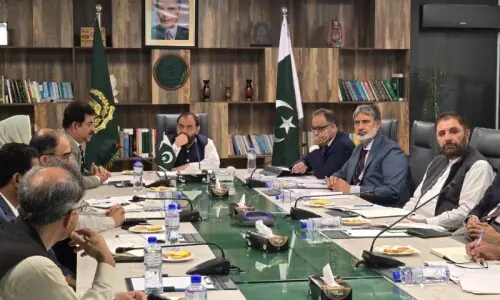
This was emphasised by scholars at a multi-religious session at the National Rahmatul lil Aalameen Wa Khatamun Nabiyyin Authority (Nrkna), according to a press release issued by the authority.
The session witnessed the participation of scholars from various religious traditions, including Christianity, Hinduism, Sikhism, Bahá’í Faith, and the Kalasha community.
Additionally, students and faculty members from master’s and PhD programmes specialising in interfaith studies also attended, contributing to the depth and diversity of the discussion.
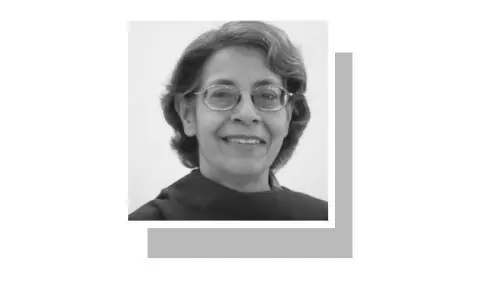
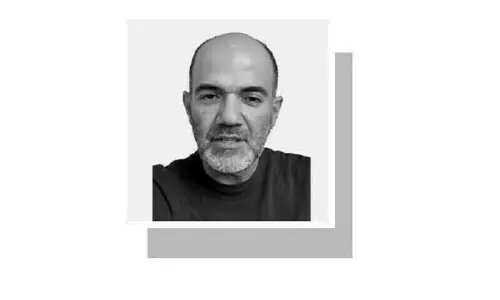
The keynote lectures were delivered by Elena Dini, a communications specialist from Rome, Italy, and Dr Abdul Basit Zafar, a comparative theology expert from Bonn, Germany.
Elena Dini emphasised the need to understand the true sense of dialogue by followers of different faiths.
She elaborated on how theological debates, when conducted with openness and respect, can bridge gaps and foster a sense of global unity. She appreciated the initiative taken by Nrkna, stressing that such forums provide a platform for constructive engagement and the exchange of ideas across religious lines.
Dr Abdul Basit Zafar, in his thought-provoking address, focused on the role of inner contemplation in achieving societal peace in line with the teachings of Prophet Muhammad (PBUH).
He discussed how spiritual introspection and self-awareness contribute to a more harmonious world.
He encouraged individuals to look within and nurture values of empathy, patience, and understanding—qualities that, when practised collectively, can lead to a more peaceful society.
Both speakers commended Nrkna’s efforts in organising such discussions and underscored the importance of institutional support in fostering interfaith harmony.
A lively Q&A session followed, where scholars, students, and faith leaders engaged with the speakers, seeking further insights into interfaith challenges and solutions.
The discussions revolved around contemporary theological debates, the role of religious institutions in promoting peace and practical ways to strengthen interfaith cooperation.
In his concluding remarks, Nrkna Chairman Khurshid Ahmad Nadeem expressed gratitude to the speakers and attendees.
He reiterated the authority’s mission to create spaces for intellectual discourse and practical collaboration among different faith communities.
The session noticed Nrkna’s efforts to encourage dialogue, understanding and cooperation among different faith communities.
Events like these serve as crucial steps in building a society where mutual respect and peaceful coexistence prevail, the participants said.
Published in Dawn, February 15th, 2025