DAR ES SALAAM: Leaders at an unprecedented joint summit of Eastern and Southern African regional blocs stressed on Saturday the urgency of finding a way out of the crisis in eastern Congo, where Rwanda-backed rebels’ rapid advance has fanned fears of a wider war.
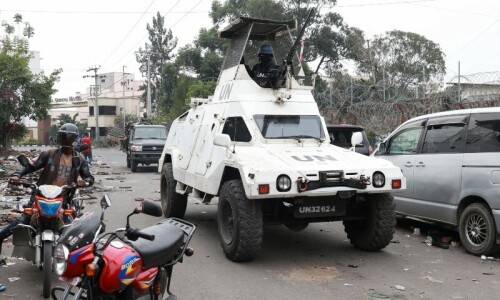
In late January, the M23 rebels captured Goma, the largest city in eastern Democratic Republic of Congo — the worst escalation of fighting in more than a decade that has left thousands dead. Despite announcing a unilateral ceasefire, they have continued to march south towards the city of Bukavu.
“We must resist the temptation to think that we can somehow shoot or bombard our way to a solution,” said Kenyan President William Ruto at the opening ceremony.
He and others called for concrete results from the talks in Dar es Salaam, which were attended by eight heads of state including Rwanda’s Paul Kagame. Congo’s Felix Tshisekedi joined via video link.
“History will judge us harshly if we remain still and watch the situation worsen, day by day,” said Tanzanian President Samia Suluhu Hassan.
The first-ever summit of both Eastern and Southern African blocs points to the continents’ deep concern over the crisis and the standoff between Congo and neighbouring Rwanda, which denies allegations it is fuelling the conflict with its own troops and weapons.
The two groupings have, so far, been broadly divided over the conflict, with the eastern bloc closer to Rwanda’s call for dialogue and southern countries backing Congo and angry over the deaths of peacekeepers, experts and diplomats said.
This fault line makes it “difficult to be optimistic” about the summit, said Stephanie Wolters, Senior Research fellow, South African Institute of International Affairs.
Leaders must push Kinshasa to rethink its refusal to talk directly to the M23, while clearly calling out Rwandan support for the rebels and demanding this end immediately, she said.
Over the past month, M23’s lightning advances have expanded its control over North Kivu province’s lucrative coltan, gold and tin ore mines, uprooting thousands in what was already one of the world’s direst humanitarian crises.
Aid groups have been helping to relieve overwhelmed hospitals as health workers race against time to bury the bodies of 2,000 people killed in the battle for Goma, amid concerns of disease spreading.
Published in Dawn, February 9th, 2025