THE Income Tax Ordinance, 1979, was replaced by the Income Tax Ordinance, 2001, with the intent of facilitating taxpayers. The new law recognised a valid tax return as an assessment order, thereby reducing unnecessary scrutiny. However, several exceptions were built into the law to ensure accurate declar-ations, as outlined in sections 122(5), 122(5A), 161 and 177.
Section 177 grants the commissioner the power to select a taxpayer for audit, including verifying withholding tax (WHT) collection, specifically mentioned in section 161. Section 122(5) allows collection of tax on misdeclarations either found through an audit or externally found ‘definite information’ about undisclosed assets or expenses. Similarly, section 122(5A) empowers the correction of glaring errors, having an identified loss of revenue, without any inquiry.
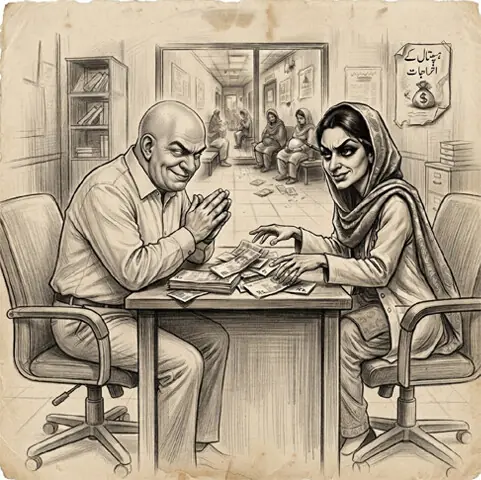
Unfortunately, these provisions, meant to enhance transparency and revenue collection, are frequently misused to harass the taxpayers. Information from tax returns and errors outside the legal scope of section 122(5A) are often exploited to initiate unnecessary engagement with the taxpayers.
Further, section 176, dealing with the collection of third-party information, is frequently misused to extract flimsy clarifications from the taxpayers on the filed returns that are legally deemed assessments. Similarly, section 161 is arbitrarily invoked to initiate a parallel audit in addition to the audit under section 177. The very existence of the office of ‘commissioner withholding’ is superfluous to the scheme of law.
These powers, when delegated to officials in BPS-16-19, are misused with impunity. With the availability of a comp- rehensive database within the Federal Board of Revenue’s (FBR) Iris software, a simple statistical analysis of the notices issued, resolved or left pending, would provide valuable insights into the abuse of delegated powers.
Moreover, such analysis would also reveal whether these actions stem from inefficiency, corruption, or an unholy nexus between the tax officials and the so-called tax consultants, to the detriment of the taxpayers. The FBR chairman should ensure data-driven accountability within the department. Otherwise, these unchecked practices will only deepen mistrust among the taxpayers, and undermine tax compliance in the long run.
Name withheld on request
Karachi
Published in Dawn, November 13th, 2024