October inflation rises to 7.2pc amid food costs hike



ISLAMABAD: The annual consumer inflation rate edged up to 7.2 per cent in October from 6.9pc in September, driven by a modest increase in prices of perishable food items.
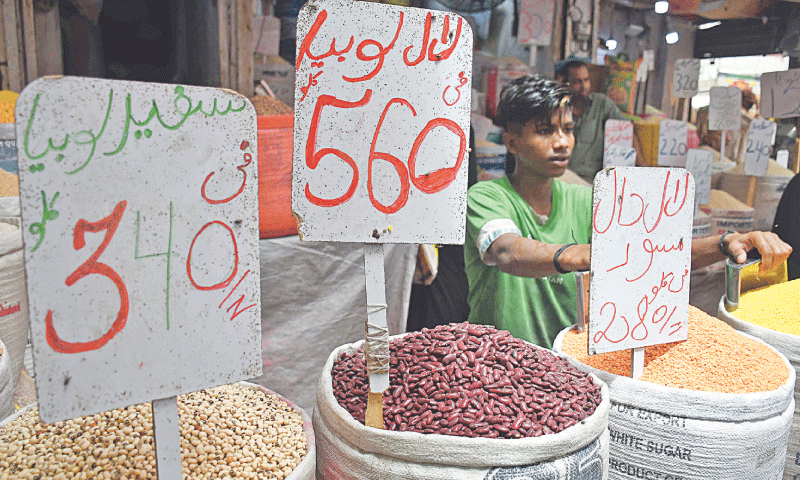
Despite this increase, the inflation rate remains much lower than the highs recorded earlier this year. The minor increase is mostly due to a rise in food items such as tomatoes, onions, and pulses.
The headline inflation, measured by the Consumer Price Index (CPI), had slowed to 9.6pc in August, the first single-digit reading in more than three years, showed data released by the Pakistan Bureau of Statistics on Friday.
The monthly consumer price index in October stood at 1.2pc, reflecting an increase in perishable food prices compared to the previous month. The low inflation rate is partly attributed to a high-base effect from last year when annual inflation stood at 26.8pc in October 2023.
Despite increase, the rate remains much lower than the highs recorded earlier this year
The annual CPI inflation has historically been driven by the food and energy sectors. Improved crop yields, particularly of wheat, rice and sugar, helped reduce food prices this year, alongside a lower reliance on imports. The government’s support for agriculture, including increased loans, and favourable weather played a crucial role in boosting production.
Inflation crossed 10pc in November 2021 and then remained in double digits for 33 consecutive months until July 2024. In between, it peaked at 38pc in May 2023.
In the first four months of the current fiscal year (July-October), inflation averaged 8.68pc compared to 28.45pc during the same period last year.
Analysts attributed the decline to a combination of factors, including lower global commodity prices, stable exchange rates and better agricultural outputs.
The State Bank gradually raised its policy rate from 7pc in August 2021 to a peak of 22pc by April 2023, in an effort to curb inflation. Since then, the rate has been lowered to 17.5pc as inflation began to ease.
The IMF’s forecast for CPI inflation was 12.7pc for FY25, which is now revised as 9.5pc, showing a downward revision of 3.2pc. The SBP monetary policy meeting will be held on Monday, which is expected to further reduce key interest rate.
Published in Dawn, November 2nd, 2024