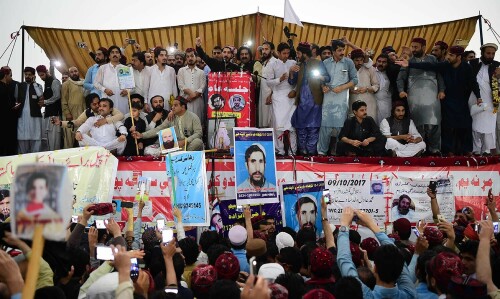
The Pashtun Tahaffuz Movement’s (PTM) grand jirga in Jamrud concluded on Sunday night, with the rights group presenting a 22-point resolution that demanded the withdrawal of militant groups from Khyber Pakhtunkhwa and cheaper electricity, among other issues.
The three-day jirga, which was hosted with government support, concluded with delegates deploring the impact of militancy and subsequent anti-terrorism operations over the last two decades that had displaced millions.
The delegates, from different political parties and professional organisations, held discussions at 60 separate enclosures to present their recommendations for the final declaration at a relatively larger forum.
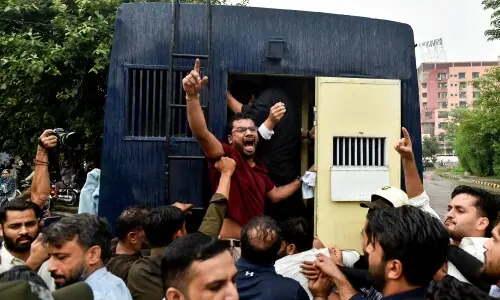
The federal government imposed a ban on the PTM on October 6, citing threats to national peace and security. The PTM was declared “unlawful” under Section 11B of the Anti-Terrorism Act of 1997, according to the Associated Press of Pakistan.
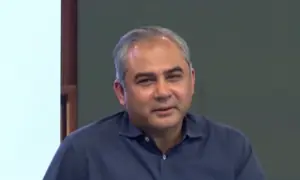
At the end of the jirga, PTM chief Manzoor Pashteen presented the 22-point resolution, which demanded the group’s ban be lifted.
The Pakhtun Qami Jirga’s declaration gave a two-month ultimatum for militant groups and military forces to vacate the province.
“If this does not happen, then the Jirga will decide how to remove these elements,” the resolution stated.
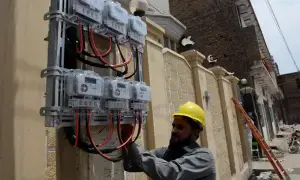
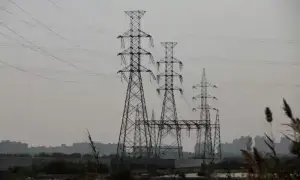
The resolution also demanded the transmission of affordable and consistent electricity to KP.
“Electricity is a resource of Pakhtunkhwa … and must be delivered without loadshedding,” the jirga decided. It reiterated that the price of electricity must be Rs5/unit instead of the current tariff of over Rs60/unit, while tribal areas should receive free electricity.
The jirga warned that in cases of loadshedding, all provinces will sever their connections.
It added that data on resources on Pakhtun land would be collected and a team of lawyers would be formed to take action against alleged land grabbers occupying the lands of martyrs and missing persons.
“Those who have usurped the resources of the people of this province must leave the occupation and give the people their right,” the jirga stated. “This Jirga will fight their cases in the courts, even going to the International Court if necessary.”
Moreover, the jirga demanded that the Durand Line — the border with Afghanistan — be opened for visa-free trade between the two countries. “Trade with Afghanistan should be allowed along the routes from Chaman to Dir,” the jirga stated, warning that, “If this is not implemented, then the check posts on the Durand Line will be closed.”
Pashteen clarified that women’s education in Afghanistan was not a part of the official jirga, but demanded that the Afghan Taliban allow women to receive education. “The jirga will stand with the Pakhtun nation in other provinces,” it stated.
Moreover, the jirga promised to form a delegation to resolve disputes between tribes, starting in Kurram Agency.
The jirga also demanded that KP receive natural gas and water from the state; that military courts and internment camps be abolished; that all political prisoners be released; that a judicial commission be formed to investigate deaths and disappearances; and that internally displaced people (IDPs) be returned to their homes without any extortion.
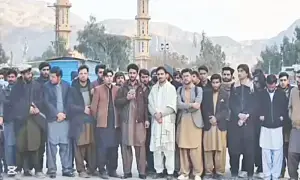
KP Chief Minister Ali Amin Gandapur and Governor Faisal Karim Kundi were at the jirga, with the PTM chief urging the CM to present the resolution before the provincial assembly.
“Regarding the resolution passed by the Pakhtun Qaumi Jirga, the next assembly session will be called and it (the resolution) will be passed by the assembly as well,” Gandapur said while addressing the gathering.
“A meeting of the Apex Committee will also be called, where members of the Jirga will be called to present their proposals.
“The sacrifices of the province and Pakhtuns in the war against terrorism are not hidden from anyone,” said Governor Kundi. “The Pakistan Army and the police have been making sacrifices for the last 24 years to end the scourge of terrorism.
“It is very necessary and welcome for the Pakhtun nation to come together to solve their problems through debate in a peaceful way,” the governor added. “We have to unite and thwart the ambitions of the enemies of the country.”
Kundi added that the biggest problem facing KP is terrorism, against which “we all have to be united”. He pledged that the government and the Pakhtun people would face and defeat the threat together.
“The sacrifices made for the establishment of peace across the country, including Khyber Pakhtunkhwa, should not go in vain.”
The jirga also decided that a multi-party political building would be built on the land where the Jamrud gathering took place, with offices for representatives from all major political parties.