Delayed fumigation drive in Karachi fails to contain vector-borne diseases


• Data released by health dept says over 1,500 tested positive for dengue last month
• Health dept, not solid waste board, is responsible for fumigating ‘ponds and puddles of stagnant water’, says SSWMB spokesperson
• Experts blame poor sanitation, ineffective anti-mosquito spray campaign for increasing cases of dengue, malaria and chikungunya
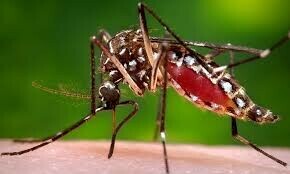
A fumigation exercise the authorities had launched with a considerable delay in the city has failed to produce any desired results thus far as there has been a consistent rise in cases of vector-borne diseases — dengue, malaria and chikungunya — thanks to poor sanitation, unhygienic environment and ineffective waste disposal system which is taking heavy toll on Karachiites’ health.
Data shared by the Sindh health department shows that more than 1,500 people were affected by the dengue virus in September alone across the province.
A majority of the cases came from district East, where one death was also reported. Cases of malaria and chikungunya cases are also on the rise.
“The number and variety of viruses and viral diseases have increased over the past 10 to 15 years,” said Dr Qaiser Sajjad, former secretary general of the Pakistan Medical Association (PMA).
“Gradually we have seen an immense rise in the trend and the reason is that Karachi has become poor city in terms of sanitation and cleanliness. I fear that with no proper and effective system in place to dispose of domestic and hospital waste and collapsing sewerage system, the situation will turn worst with the passage of time,” he added.
There were not only dengue, malaria and chikungunya cases, but the alarming lack of cleanliness in the city had also given boost to rhinoviruses, rhinopharyngitis and typhoid, said Dr Sajjad.
Municipal authorities claimed that they were already actively involved in fumigation in all seven districts of the metropolis amid growing cases of vector-borne diseases.
In coordination with the Sindh Solid Waste Management Board (SSWMB), the Karachi Metropolitan Corporation (KMC) claimed to have covered more than 70 per cent of the metropolis in the ongoing fumigation drive that would continue for a couple of weeks.
A KMC official said that the corporation used a litre of deltamethrin and permethrin with 40 litres of diesel to spray in affected areas.
An SSWMB spokesperson said that although the fumigation was not part of the deal of the contract signed between the board and the foreign companies, they were still carrying out fumigation in all seven city districts.
“The KMC has provided us 35 vehicles for the fumigation while our companies — one Turkish in south and Chinese in six other districts — are coordinating with them and providing them insecticide and manpower,” she said.
“The areas [for fumigation] are identified by the health department, the respective towns and union committees. But one thing must remain clear that we only carry out anti-mosquito fumigation through sprays. There are ponds and puddles of stagnant water which are considered as nurseries of larvae and their identification and fumigation are the responsibility of the health department,” she said.
Despite “extensive” exercise as claimed by the administration, the strategy adopted by the municipal and health authorities remained debatable due to its ineffectiveness.
Epidemiology and surveillance expert Dr Rana Jawad Asghar, who had served as an adviser to the federal health ministry on infectious diseases when chikungunya first hit the city back in 2016, questioned the strategy of fumigation which has hardly created any impact.
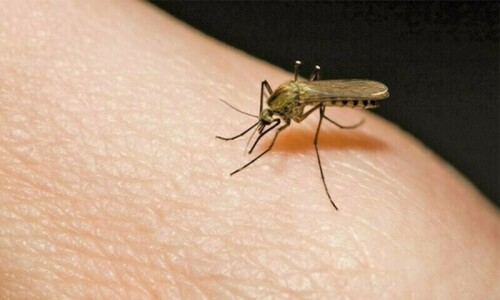
“We need to understand that a same kind of mosquito spreads dengue, Zika virus and chikungunya,” he said. “You can’t control it once the outbreak [of these diseases] starts. The move to contain or control this starts months before its outbreak.”
He said: “The control strategy consists of several steps which span over several months. We had devised proper and documented guidelines to control such outbreaks but unfortunately they aren’t followed. The strategy we adopt, sadly, doesn’t work and can’t bring the required results.”
Agreeing with the point that the poor sanitation was the key cause of diseases in the city, Dr Asghar said the hygienic conditions and availability of clean drinking water could control such diseases to a large extent.
“It’s not hearsay. It’s a scientifically proven fact that infection diseases can fizzle out by 70 to 80 per cent only through cleanliness and clean drinking water,” said Dr Asghar.
Published in Dawn, October 9th, 2024