PARIS: As a typhoon battered Taiwan and rescuers searched for hurricane survivors in the United States on Wednesday, a study estimated that the long-term death toll of such tropical cyclones is around 300 times greater than official figures.
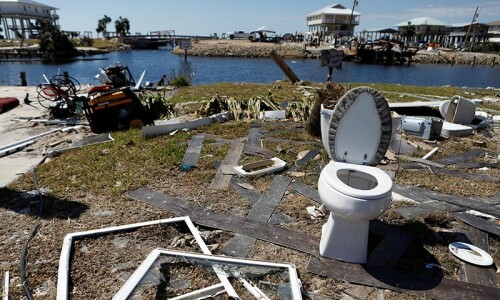
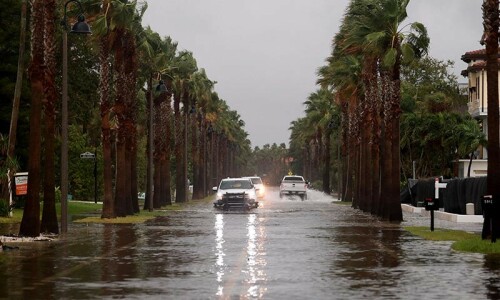
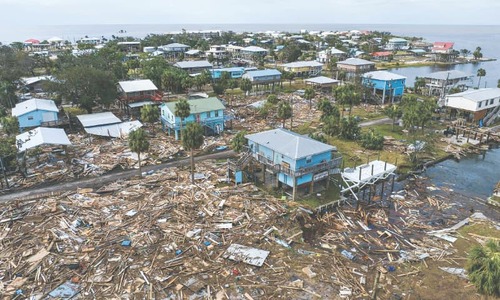
Hurricane Helene has killed at least 155 people in the southeastern US, Hurricane John killed at least 16 in Mexico last week and two people have died in Taiwan even before Typhoon Krathon makes landfall, expected on Thursday morning.
However the immediate deaths recorded during tropical cyclones — also called hurricanes or typhoons, depending on where they hit — represent just a fraction of the real toll they take on lives in the years after the storm clears, according to new research. And with human-driven climate change expected to help make tropical cyclones more intense, the US researchers called for people in the affected regions to receive more support.
The research published in the journal Nature is the first to use statistical modelling to estimate how cyclones affect the overall number of deaths in a region over a long time frame, lead study author Rachel Young said. The researchers looked at 501 tropical cyclones that hit the continental US between 1930 and 2015, analysing the number of excess deaths from all causes recorded in the 15 years that followed. The average number of deaths officially reported during individual storms was 24. But if indirect deaths in the years after the storm were counted, the average toll for each was between 7,000 and 11,000, around 300 times higher than government figures, the study estimated.
This would mean that cyclones contributed to between three and five per cent of all deaths recorded in the affected areas on the US Atlantic coast over those 85 years, the study said. The total death toll over that time could be as high as five million, meaning that cyclones may have contributed to more deaths than car accidents, infectious diseases or deaths in war, it added.
‘Nobody knew this was happening’
When the researchers first saw how long the devastating effect of cyclones lasted on communities — which drove the huge numbers — they were “very surprised, and very sceptical,” Young said. “Nobody knew this was happening,” said Young, a researcher at the University of California, Berkeley.
Young and Stanford University’s Solomon Hsiang spent years trying to rule out other possible explanations for these figures, but could not, she said. The study was not able to directly link how a particular hurricane led to any excess deaths.
Young compared the results to how the world recorded far more excess deaths during the pandemic than those directly attributed to Covid-19 by countries. But the researchers offered some theories about how hurricanes could have contributed to so much death over the years, including economic disruption, infrastructure damage, increased pollution and stress, and working-age people moving away. Young gave an example of a person who uses their retirement savings to repair their home after a hurricane, only to find themselves short on money for healthcare later in life.
Previous research has shown that local and state government budgets are smaller in hurricane-hit regions, further depriving these communities, she added.
Black people disproportionately affected
Many of these people are unaware that their long-term health has been affected by the aftermath of a cyclone, Young said.
Babies born even five to 10 years after a storm were much more at risk of dying early in cyclone-hit areas, the study found. Black people were also at a far higher risk of early death.
Even adjusting for other factors, the study estimated that living in a cyclone-hit region contributed to 15.6pc of all Black deaths from 1930 and 2015.
Tolls also varied by state. Thirteen of all deaths in Florida, 11pc in North Carolina, 9pc in South Carolina and 8pc in Louisiana over the time period could all be traced back to cyclones, the study said.
Published in Dawn, October 3rd, 2024