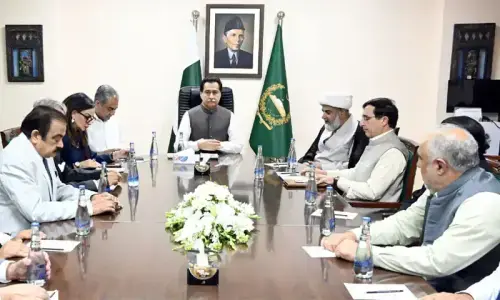
ISLAMABAD: As the security situation in Balochistan continues to deteriorate, experts gathered at a roundtable discussion on the province’s escalating crisis warned that the government’s failure to engage in meaningful dialogue with Baloch dissidents is exacerbating the conflict, with one analyst cautioning that the prolonged “deadlock” is driving insurgents towards increasingly extreme forms of violence, underscoring the urgent need for seeking a negotiated settlement to the long-simmering dispute.
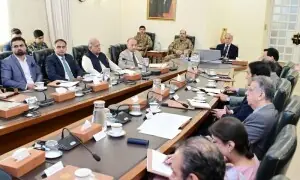
The roundtable titled, Balochistan’s Escalating Security Crisis, was hosted by Islamabad Policy Institute (IPI) for reviewing the situation and discussing possible options to mitigate the crisis for stability in the province and country.
The situation in restive Balochistan has sharply aggravated due to long-standing neglect, misrule, and repression.
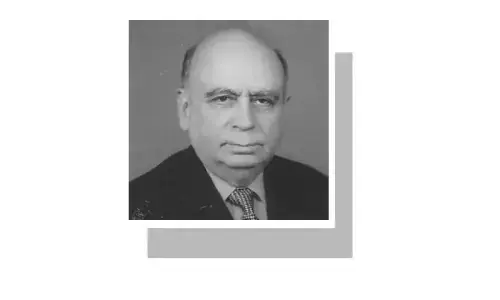
Senator Mushahid Hussain Syed, who formerly headed the Senate’s foreign and defence committees, critiqued the successive governments’ failure to implement key reports that could have empowered Balochistan politically and economically, including the 2005 Report of the Parliamentary Committee on Balochistan and another one recently commissioned by Islamabad High Court on missing persons’ issue.
Mazari criticises govt’s security-focused approach which has militarised province, alienated its people
Mr Syed also regretted the Shahbaz government’s failure to seize an offer by former Army Chief retired Gen Qamar Bajwa for resolving the issue of missing persons by legislating on arrest of people involved in terrorism and espionage.
To address these challenges, Mr Syed proposed a five-point plan focusing on implementing existing reports, strengthening Pakistan-Iran security ties, empowering Balochistan’s chief minister to find a local solution to terrorism, and using regional frameworks like the Shanghai Cooperation Organisation to protect Balochistan from external threats by deterring players involved in the new great game.
IPI Chairperson Dr Shireen Mazari criticised the government’s security-focused approach, calling it a failure that has militarised the province and alienated its people.
She pointed to enforced disappearances and exclusion from natural resources as major grievances. Mazari argued that foreign investment, particularly in projects like CPEC, will only succeed if local people are included. She warned that the government’s policies are creating resentment and instability in the region.
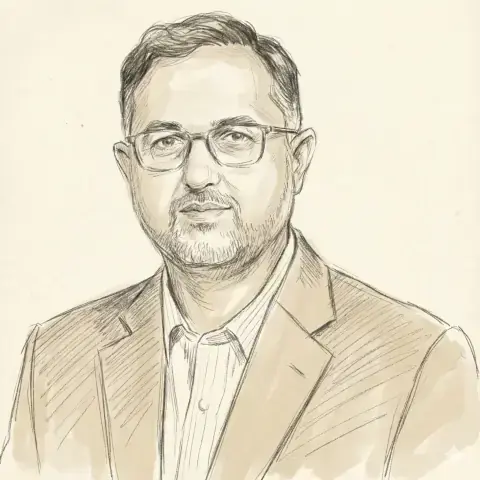
Abdul Basit, a fellow at S. Rajaratnam School of International Studies, Singapore, spoke on the concept of relative deprivation, explaining how education and social media as deepened Baloch students’ perception of exploitation.
He noted that the terrorist group Balochistan Liberation Army’s tactics have become sophisticated as exhibited by their ability to strategically disrupt infrastructure and use of media to spread their message.
Basit argued that the conflict has now reached a deadlock, which is a typical outcome in insurgencies. He urged the state to take the initiative in starting negotiations to avoid the conflict spiralling into more extreme forms of violence.
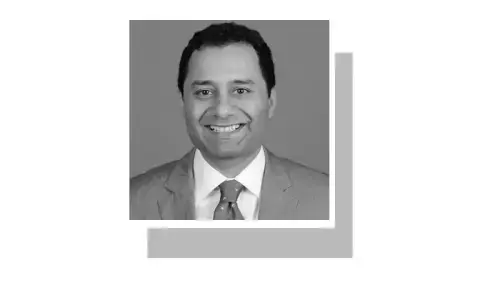
Dr Maria Malik, assistant professor at Quaid-i-Azam University, Islamabad, called for the demilitarisation of Balochistan and respect for the local population’s dignity and unique identity.
Published in Dawn, September 13th, 2024