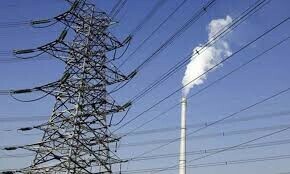
While discussing the surplus capacity, it is important to understand the technical complexities regarding the country’s current installed capacity of 46,000MW, a nameplate figure for standard conditions that includes house load and auxiliary consumption and doesn’t account for plant degradation.
After adjusting these factors, the dependable capacity is around 36,000MW as per system operator, with available capacity sometimes dropping below 20,000MW due to varying annual availability of different technologies (ranging from 25 per cent to 92pc) covering maintenance outages and resource variations.
Additionally, ambient conditions affect thermal plant output and efficiency. Therefore, citing installed capacity against demand to indicate a surplus figure is misleading.
Nonetheless, there is a valid debate that the country has accepted 3,000MW to 4,000MW of surplus capacity in recent years, overlooking transmission constraints, which have inflated capacity payments.
This concern echoes the World Bank’s decades-back warning regarding limiting the capacity addition under the 1994 policy to 2,000MW, which would have eased Wapda’s burden in absorbing capacity charges.
This suggests persistent flaws in demand-supply forecasting or adherence to planning reports while inducting new capacity. The concerns about surplus capacity have strong rationales, however, they also need to be evaluated against external macroeconomic factors, particularly given the country’s per capita electricity consumption at just half the minimum modern energy requirement of 1,000 kWh, which raises questions about surplus capacity in a country struggling to meet basic energy needs.
The power sector must be analysed within its broader economic and technical context
The situation leads to the perception that volatile economic conditions, grid constraints, and high electricity prices make the commodity unreliable and unaffordable for the majority, resulting in suppressed demand and hiding the actual energy needs.
This is partially evidenced by data given in the National Transmission & Despatch Company Power System Statistics 2024 report which reveals a 4,500-7,000 MW gap between computed and recorded peak demand for the past five years, indicating unmet demand likely due to these constraints.
Undoubtedly, the under-utilisation of available generating capacity significantly drives up per-unit capacity payments and overall electricity prices. Large seasonal demand variation with peak demand in summer and low demand in winter further exacerbates the surplus capacity issue.
Addressing these challenges requires effective demand-side management to reduce peak demand in summer and electrification of space heating in winter to boost electricity consumption. However, the country’s heavy reliance on imported fuels and high electricity tariffs complicates the latter.
The sector faces multifaceted challenges that must be analysed within its broader economic and technical context to explore pragmatic solutions. For instance, while Rs10 billion in capacity payments for certain projects may appear substantial in isolation, this figure must be viewed within the sector’s overall economic framework with an annual revenue requirement of around Rs4,000bn and an annual energy output of 130-140bn units, the payment of Rs10bn translates to seven paise per unit. This underscores the need to avoid oversimplifying the sector’s economics by focusing on isolated figures.
The power generation sector follows an economic merit order, prioritising efficient generating units with the least operating costs. Consequently, less efficient plants may not be utilised and instead receive only fixed costs. Even in open markets where pricing is based on marginal costs, the cost of additional units can be disproportionately high, yet consumers pay an overall basket price, not the peak price of individual units.
Additionally, open markets often require payments for ancillary services like frequency regulation, voltage control, and reserves, which are critical for grid reliability. Therefore, when discussing the complexities of the power sector, it is essential to maintain a balanced understanding of its dynamics to avoid misleading the public and fueling social unrest.
Addressing Pakistan’s power sector challenges and achieving the Sustainable Development Goal — SDG-7 — of affordable and reliable energy requires a holistic approach, including completing unfinished reforms, including but not limited to transiting towards the market regime, rationalising private sector incentives, and improving governance in state-owned utilities.
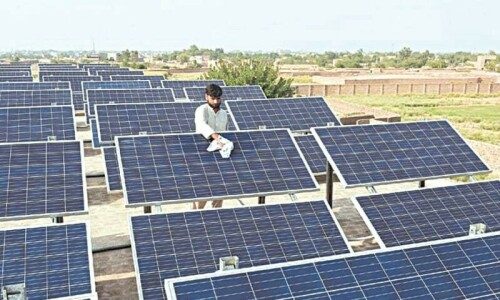
In parallel, focusing on targeted distributed energy systems in remote areas can empower poor and marginalised communities by offering them energy choices tailored to their local needs.
Reprofiling debt servicing, especially for China-Pakistan Economic Corridor (CPEC) projects, may provide some relief. However, it largely depends upon the broader economic resilience, as fluctuations in fuel prices, exchange rates, and inflation could otherwise outweigh any gains.
Prioritising indigenous and renewable energy sources in strict compliance with planning documents is vital for reducing foreign exchange exposure and lowering electricity costs. Above all, transparent and credible policies, and inclusive decision-making emphasising long-term sustainable solutions rather than quick fixes are essential for developing a reliable and affordable energy value chain.
The writer is an energy sector practitioner and current doctoral researcher at the University of Bath, UK
Published in Dawn, The Business and Finance Weekly, August 26th, 2024