0
0

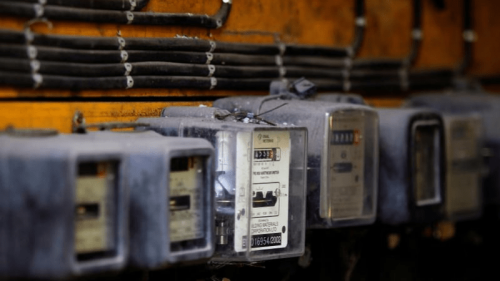
KARACHI: Already overburdened with various taxes, the people of Karachi will have to pay up to Rs400 extra in their electricity bills for the current month after the Karachi Metropolitan Corporation (KMC) formally notified the collection of controversial Municipal Utility Charges and Tax (MUCT) through K-Electric, it has emerged.
Officials both at the KMC and the KE confirmed the implementation of the MUCT that would, according to the estimates, generate more than four billion rupees every year for the municipal administration.
A KMC official said that the KE consumers in the city will see a new head in their next bill under the title of MUCT.
The KMC has notified the MUCT on electricity connections within Karachi, except cantonment areas, from August 1, 2024, he said.
KMC notifies collection of upto Rs400 utility charges via electricity bills
“The MUCT collected through electricity bills will support Karachi’s infrastructure projects and enhance essential services. The utilisation of these funds will be fully transparent and monthly updates will be available on KMC’s website. It will give enough financial space to the KMC that would also benefit even the key tier, union council, of the city’s municipal administration.”
A KE official replied in the affirmative when asked about the implementation of the MUCT and collection of extra amount from Karachiites in the next month’s electricity bills.
The KMC and the KE had originally signed an agreement in June 2022 which had finally become effective from July after the City Council approved the levy of the charges.
According to the agreement, the KE will collect the MUCT from its domestic and non-domestic consumers living within the jurisdiction of KMC through their monthly power bills. The consumers will be charged as per category, which will be notified by the KMC from time to time.
Referring to different slabs of the MUCT, an official said that the KE consumers receiving bills of upto 100 units would remain exempted from the new tax and those consuming units between 101 and 200 would pay Rs20 every month.
“Similarly, those who are consuming units between 201 and 300 will pay Rs40 and those who are consuming between 301 and 400 units will pay Rs100 with their electricity bills,” he said.
“The KE consumers consuming 401-500 units will pay Rs125, the consumers of units between 501 and 600 would pay Rs150, the consumers of 601 and 700 units would pay Rs175 and those consuming more than 700 units would pay Rs300 in their monthly bills. All categories of commercial and industrial consumers would pay Rs400 each with their electricity bills,” he added.
However, challenges are still not over for Mayor Barrister Murtaza Wahab, who, only a few days ago, was issued a notice by the SHC on a contempt of court application.
The contempt application has been moved on behalf of some Jamaat-i-Islami leaders and the SHC is due to take up the matter on August 7.
Published in Dawn, August 3rd, 2024