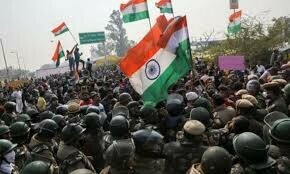
UNITED NATIONS: The United Nations Human Rights Committee has expressed concern over the use of excessive force in “disturbed” territories in India, leading to unlawful killings.
The UN committee, in a report released this week, noted that certain provisions of India’s Armed Forces (Special Powers) Act (AFSPA) and counter-terrorism laws do not comply with the International Covenant on Civil and Political Rights (ICCPR).
The committee expressed alarm over the prolonged application of these laws in “disturbed areas” such as districts in Manipur, the occupied Jammu and Kashmir and Assam.
It noted with concern that this extended enforcement has led to “widespread and severe human rights violations, including excessive use of force resulting in unlawful killings, prolonged arbitrary detention, sexual violence, forced displacement, and torture”.
New Delhi asked to end violence against Muslims, Sikhs and other religious minorities
Highlighting discriminatory practices in India, the panel urged New Delhi to take decisive action to end violence against minority groups and in occupied territories.
The committee advised Indian authorities to adopt “comprehensive anti-discrimination laws” and to enhance efforts to raise awareness about these issues.
The report highlighted the ongoing issues faced by Indian Muslims, Christians, Sikhs, scheduled castes and tribes, and LGBTI individuals, calling for urgent action to address these concerns.
The committee suggested providing targeted training for civil servants, law enforcement officers, the judiciary, and community leaders to increase public awareness and foster greater respect for diversity. It emphasised the need to ensure that the rights of all citizens are protected.
It urged India to uphold its ICCPR obligations and ensure “any counter-terrorism and security measures in disturbed areas should be temporary, proportionate, strictly necessary, and subject to judicial review”. Also, it recommended that India establish a mechanism to acknowledge responsibility and investigate human rights violations in the occupied Jammu and Kashmir and other such regions.
Comprising 18 independent experts who monitor the implementation of the ICCPR, the committee adopted these concluding observations about India after a series of hearings earlier this month. India was one of seven countries reviewed by the committee in its latest session, alongside Croatia, Honduras, Maldives, Malta, Suriname and Syria.
Published in Dawn, August 1st, 2024