Modi says on 11-day fast ahead of divisive temple opening


 0
0


Indian Prime Minister Narendra Modi said on Friday he was beginning an 11-day religious fast ahead of a ceremony he will lead to inaugurate a controversial new Hindu temple.
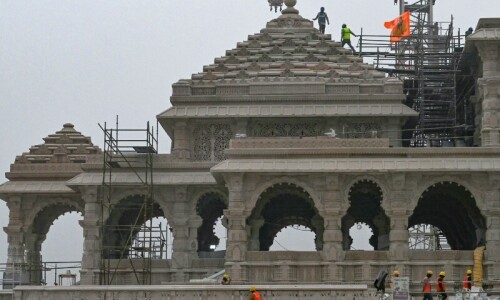
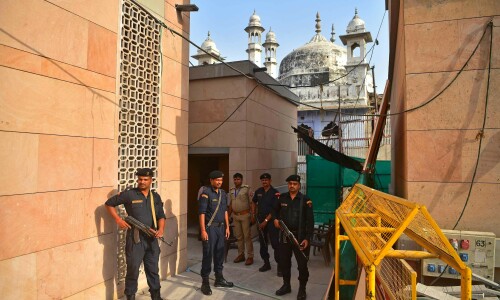
Modi is presiding over the January 22 opening of the shrine, built on grounds where a centuries-old Babri Mosque once stood before it was torn down by zealots in 1992.
The ceremony is set to burnish the Hindu-nationalist leader’s credentials as a defender of India’s majority faith just months before national elections.
“I am fortunate that I will also be a witness to this auspicious occasion. The Lord has made me an instrument to represent all the people of India,” Modi said in an audio message posted to social media.
“Keeping this in mind, I am starting a special ritual of 11 days from today. I seek blessings from all of you.”
The purification rite Modi said he was embarking upon involves a series of prayer rituals and an almost complete abstinence from food for its duration.
Modi has incorporated his Hindu faith into the politics of his officially secular country in an unprecedented manner since coming to power a decade ago.
In 2019, he went to meditate in a Himalayan cave — home to one of the religion’s holiest shrines — during India’s last national election.
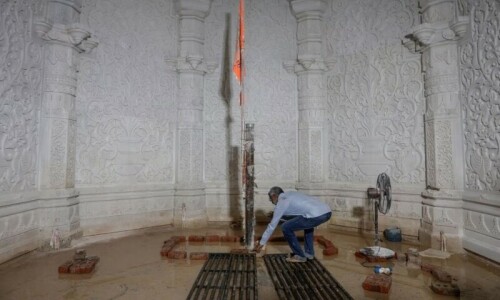
The temple Modi will help unveil later this month is dedicated to Ram, one of the deities in the Hindu pantheon, and has been built at an estimated cost of Rs20 billion ($240 million).
Devout Hindus believe Ram was born in the northern town of Ayodhya around 7,000 years ago but that the Babri Mosque was built over his birthplace in the 16th century.
Modi’s Bharatiya Janata Party (BJP) had campaigned for decades for a temple to be built on the site, culminating in the frenzied demolition of the mosque in 1992 by a Hindu mob.
Shockwaves from the incidents were felt around the country and triggered riots that killed 2,000 people, with most of the victims Muslim.