0
0

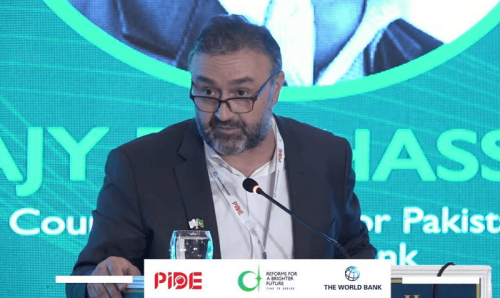
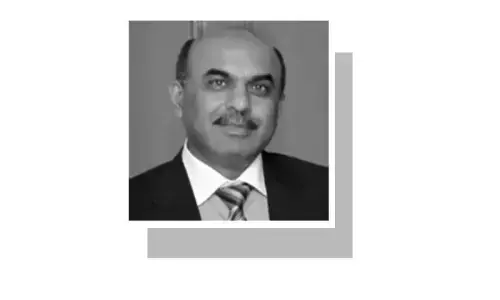
ISLAMABAD: Pakistan’s current economic model is not working since it has fallen behind its peers, significant progress in poverty reduction has now started to reverse, and the benefits of growth have accrued to a narrow elite, observes World Bank Country Director Najy Benhassine.
“There is a broad consensus that action is needed to change policies that have plagued development, benefitted only a few, and led to very volatile and low growth,” Mr Benhassine stated in a Policy Vision article, published in the latest UNDP publication.
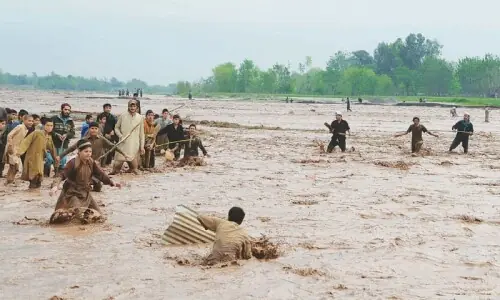
Pakistan is heavily exposed to climate change, with the potentially devastating impacts of climate shocks and natural disasters already apparent, he said in Development Advocate Pakistan, the UNDP’s quarterly development magazine providing a platform for Pakistan’s authorities, civil society and intelligentsia to exchange ideas on key development solution pathways in the country.
Mr Benhassine emphasised that policy failures and distortions in the critical agri-food and energy sector must be addressed. In agriculture, reforms are required to unwind the subsidies and price restrictions that lock smallholder farmers into a low-value farming system and encourage resource-intensive and environmentally damaging production practices.
Country director says action needed to change policies holding back development
Reforms in energy sector should consolidate progress towards financial sustainability, improve the efficiency of distribution companies, including through increased private participation, and address the very high costs of electricity generation through increased renewable generation, the World Bank official said.
The need for such policy shifts has been well established, but experience shows that any reform efforts will face opposition.
“The question is whether those with power and influence will take the opportunity arising from the current crisis to do what is needed. It is time for Pakistan to come together in the interests of a brighter, more prosperous, and more sustainable future,” the World Bank country director stressed.
He said fiscal management must be drastically improved, and debt servicing costs and domestic revenue mobilisation are at unsustainable levels, leaving inadequate resources to invest in human development and infrastructure, address economic challenges, and adapt to a changing climate.
Reforms are required to consolidate and improve the quality of government spending, including by cutting regressive and distortionary subsidies, and reduce losses from inefficient state-owned enterprises, including in the energy sector. More revenue must be raised from the better-off, through increased progressive taxation of property and environmentally-damaging activities, as well as reducing tax exemptions, he suggested.
The World Bank official further said that improved living standard will require stronger growth and a more dynamic and open economy. Protection of inward-oriented sectors, or distortions in taxation that favour non-tradables, all need to be reduced to encourage exports.
The overall business environment needs to improve, especially for smaller firms; cutting red tape as well as opportunities for costly discretion in the government’s dealing with businesses is paramount. Durably addressing structural macroeconomic imbalances, particularly on the fiscal side, will remain a prerequisite to ensure a more stable economic environment to attract investors, Mr Benhassine said.
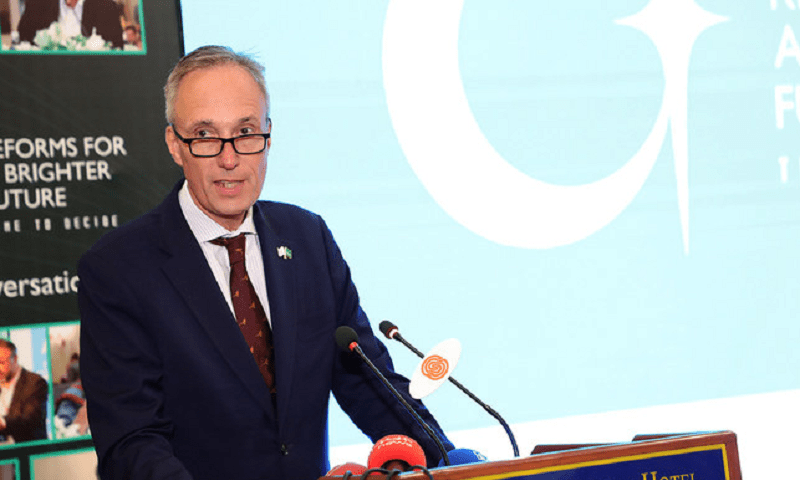
The Country Director of Asian Development Bank in Pakistan, Yong Ye, said in his vision the ADB considers consistent country policies and an uninterrupted reform momentum as necessary conditions to provide a conducive environment for addressing the complex economic challenges that limit long-term growth and achieving effective outcomes from development assistance.
Mr Yong Ye stated that ADB has been a key partner in the transformation of the country, and is committed to continuing serving in the next phase of Pakistan’s development — with a vision to promote prosperity, inclusiveness, resilience, and sustainability, under the ADB Strategy 2030.
Published in Dawn, December 28th, 2023