Fielding coach Aftab wants Pakistan to be proactive instead of reactive



IT’S baffling how Pakistan keep showing up as “cornered tigers” in nearly all of their big tournament campaigns.
They start off poorly and naturally find themselves on the verge of being knocked out of contention, only to pick themselves up from that point and fight back in styles that would be talked about for years and even end up winning tournaments.
The 1992 World Cup triumph, the 2009 T20 World Cup win and the team’s memorable 2017 Champions Trophy campaign are all examples of the phenomenon being brought into play by Pakistan.
It has happened so many times now, that it’s now widely glorified by the national side’s fans. It has effectively become The Pakistan Way.
In the ongoing World Cup as well, Pakistan, after winning their opening two league matches, lost four on a trot and bounced back to thrash Bangladesh before edging New Zealand in a rain-marred encounter to keep their semi-final hopes alive.
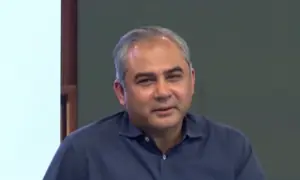
Pakistan’s fielding coach Aftab Khan, in contrast to the popular notion, feels the “cornered tigers” label is an unfortunate one to have for a team. For the former first-class batter, it exposes one of Pakistan cricket’s major mental frailties; reactiveness.
“Historically we are not proactive, we are reactive,” Aftab, who hails from Peshawar, told reporters here at Eden Gardens on Wednesday. “Other teams come and dominate from the start, we dominate only when there is pressure and fear of losing the tournament. We really need to change these things.”
That, however, is not the only thing Aftab wants to see change in Pakistan’s cricket culture. The qualified coach, who has been praised by several former internationals for being one of the best in the trade, sees Pakistan’s fielding issues a result of the culture prevailing in the grassroots scene.
The team’s failures against India, Australia and Afghanistan especially saw players, bogged down by pressure, making mistakes in the field. Pakistan dropped two catches of Australia’s David Warner in the game against the five-time champions, which helped the left-handed opener score 163 runs.
Aftab was of the opinion that Pakistan were way behind their competitors in the 50-over showpiece in terms of fielding.
“Other teams produce results here while we are only working on our basics, because we don’t value it in domestic cricket back home,” he said. “If that work is done, you can demand results from the boys.
“Nowadays, I’m teaching them how to pick the ball, catch it, make a throw etc. These boys, however, are very responsive and they are willing to learn, so I have hope that they will get better quickly.”
WORKING WITH FAKHAR
Apart from being the fielding coach of the national team, Aftab runs a cricket academy in Peshawar.
Many Pakistan internationals hailing from the city and from other areas of Khyber Pakhtunkhwa, including Fakhar Zaman work on their game at the academy during their time off from international and league cricket.
Fakhar had revealed after his century against New Zealand recently that Aftab helped him work on his weaknesses and was crucial in helping him return back to form.
The coach shed some light on the areas that Fakhar had worked on.
“It was on a number of things ranging from fitness to mindset,” Aftab said. “Fakhar had developed a habit of hitting across the wicket towards square on the leg-side and he was struggling with it.
“We worked together on changing his power-hitting zone and shifting it towards long-on, midwicket, straighter.”
Published in Dawn, November 9th, 2023