At 17.7 per cent, the prevalence of wasting among young children is beyond the internationally accepted emergency threshold of 15pc, according to Pakistan Nutrition Humanitarian Overview 2022. Extremely alarmingly, 40.2pc of children are stunted and 28.9pc children are underweight.
Women of reproductive age (15–49) years bear a double burden of malnutrition, accounting for one in seven who are undernourished, while 41.7pc are anaemic and 79.7pc are vitamin-D deficient.
One of the major factors attributed to this is the cost-of-living crisis. Families are opting for less nutritious diets and relying on convenience meals and processed food options as a result of the financial challenges brought on by pressing inflation.
While women are happy to become an equal part of the workforce, one cannot ignore the fact that they are still expected to make healthy, home-cooked meals for their families. Not only are they overburdened with corporate life, but increasing the consumption of ready-made meals and processed foods due to affordability, working women have reduced their homemade cooking.
Inflation and joblessness have pushed people into opting for a lifestyle of less healthy, cheaper choices
As the economic pressures continue to tighten their grip, many families have been compelled to make significant adjustments in their daily lives. Inflation has forced people to change what they eat due to the rising cost of ingredients.
Traditional, home-cooked meals, once a cornerstone of Pakistani culture, are slowly giving way to convenience foods, which are perceived as more budget-friendly. This change in lifestyle, opting for processed and ready meals, is cheaper.
They have cut back on organic ingredients and have resorted to eating less protein as they struggled to cope with higher food bills. This stress, in turn, has resulted in further unhealthy eating habits.
Moreover, the increase in living costs has also affected the overall quality of nutrition. In an effort to trim expenses, households have been forced to
compromise on the nutritional value of their meals. Fresh fruits and vegetables, essential for a balanced diet, have become less accessible for many due to their rising costs.
Fruit prices are expected to be higher than earlier estimated. For example, in some areas, the price of 1kg of apples is Rs305 and a dozen bananas is Rs215, whereas pomegranate is a pricier seasonal fruit at Rs650 and guava 170. The average price of 1kg of garlic is Rs400, and of ladyfingers is Rs120. This has led to a concerning trend where individuals are consuming fewer fruits and vegetables, potentially impacting their long-term health.
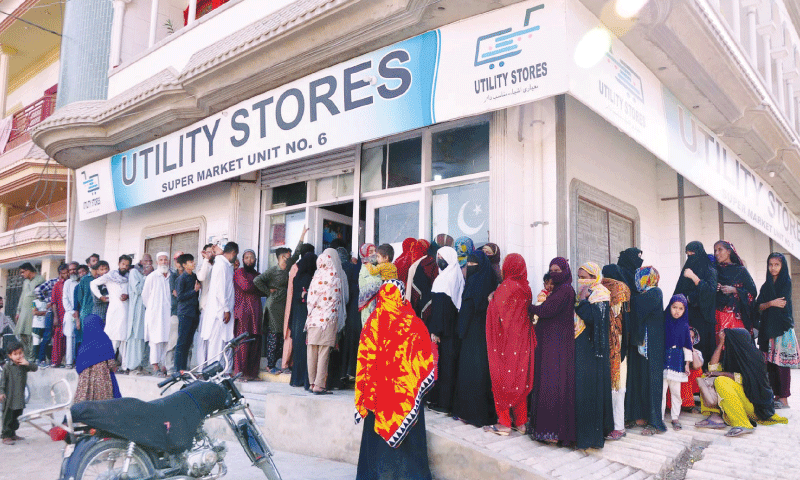
A shift in their supermarket options is another aftermath, as price is the most important factor while grocery-shopping. Working professionals are producing fewer leftovers with reasons to save money because families are meal planning more carefully.
“The soaring food expenses, along with other high household bills, have deeply affected our decisions, forcing us to make heart-wrenching compromises. We have resorted to purchasing processed foods and convenience meals, even switching supermarkets in a desperate bid to stretch our budgets and make ends meet,” said one of the shoppers at a local grocery store. So, it comes as no surprise that families are struggling to have two meals a day while nearly half the children are malnourished.
By and large, the increasing cost of living has not only reshaped the way Pakistanis eat but has also caused
significant lifestyle changes, adversely impacting their physical and emotional well-being.
There is a need for increased awareness and education on budget-friendly yet nutritious meal options. Non-governmental organisations, government agencies, and community organisations can play a vital role in organising workshops and campaigns that promote cooking skills, meal planning, and the benefits of a balanced diet.
Empowering individuals with knowledge about how to make the most of affordable, locally available ingredients can go a long way in helping them maintain healthier eating habits within their limited budgets.
Supermarkets play a crucial role in helping individuals during this crisis by offering a variety of budget-friendly products, thus assisting customers who depend on pricier convenience stores. This effort aims to help people maintain a nutritious diet amidst challenging circumstances.
Lastly, fostering a culture of community support can contribute significantly to addressing these multifaceted challenges. Initiatives such as community gardens, food cooperatives, and the sharing of surplus food resources can help reduce individual food expenses. Encouraging social interactions centred around communal cooking (as practised by the Bohra community) can also provide cost-effective alternatives to expensive dining out.
Ultimately, it will take a collaborative effort from individuals, communities, and the government to alleviate the impact of the cost of living on eating habits and lifestyle changes in Pakistan.
The writer is the head of content at a communications agency.
Email: sara.amj@hotmail.co.uk
Published in Dawn, The Business and Finance Weekly, October 16th, 2023