0
0
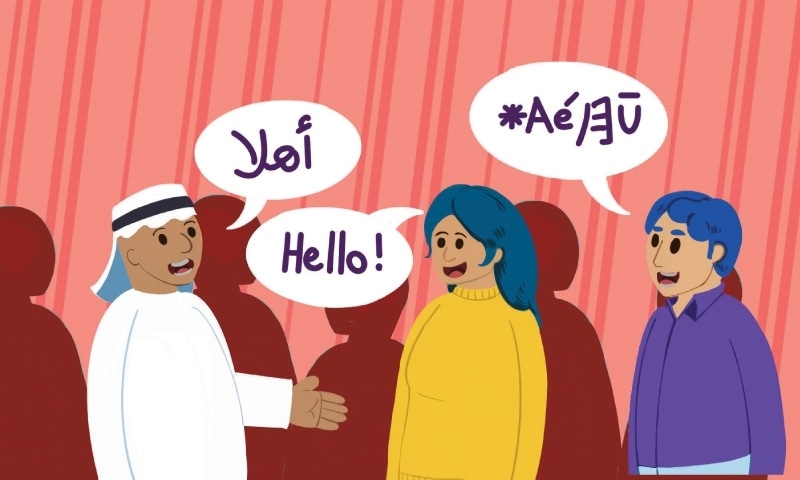
THIS refers to the article ‘To be moved by reasons’ (July 21). We often confuse the two concepts of language acquisition and language learning. The former (L1) is all about mother tongue, while the latter (L2) is an entirely different phenomenon altogether.
On its part, the process in L1 is natural, unconscious and spontaneous. It starts with one’s birth, goes through critical periods, and matures at puberty. The language of caregivers, social environment and peers play a vital role. Only listening and speaking skills are applicable, with no writing, reading or linguistic drills required in this case.
L2, on the other hand, is a conscious, mechanical, effort-based process. In many cultures it starts with schooling. Here starts the ‘A for apple’ technique, and the skills of reading and writing become relevant.
As suggested by the said article, language learning “requires immersion in listening and speaking that language”. This is very much true and applicable in elitist schools. How can we apply it at government schools with meagre human and audio-video resources?
Grammar translation method is one of the techniques applied in our educational culture. We just cannot deny its validity in systems like ours. It has been in vogue where resources are scant. Think of single-room schools in far-flung areas with one or two teachers.
The advent of information technology (IT) era opened new vistas for the people who learn foreign languages through the grammar translation method. Now you say one thing in
your native language, and with a single click it gets translated into all the languages of your choice within no time. Modern gadgets have eased the process.
For immersion in any foreign language culture, we need advanced audio video resources, as well as teachers with proficiency in foreign language (L2). The process is costly, and education planning needs to focus on the majority of the learners.
Thinking of public and private English medium schools catering to a huge majority of middle and lower classes, my suggestion is to improve upon the grammar translation method. Improvisation, creativity aided by technology and multiple techniques may help us bolster this method.
Sada Hussain
Chakwal
Published in Dawn, September 8th, 2023