Pakistan has yet to take advantage of growing digitisation in the country and promote economic benefits of the telecom sector, including cashless financing that will also aid in reducing tax evasion and the burden of printing currency.
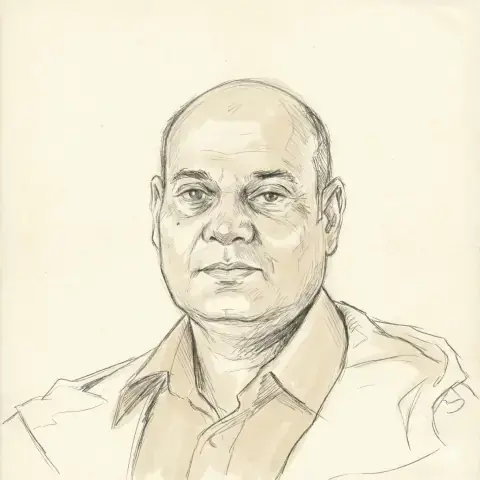
The outgoing CEO of Telenor Pakistan, Irfan Wahab Khan, who is set to join Telenor Asia in Singapore as Senior Vice President, said that the world is moving towards a cashless economy, which has numerous benefits, but Pakistan lacks a conducive environment and political will to implement it.
Mr Khan will remain Chairman of Telenor Microfinance Bank, which operates Easypaisa, the first digital wallet in Pakistan. He is concerned that despite a large number of cellular mobile customers, digital lending, e-businesses, small-size leasing, and even options like buy-now-pay-later’ have yet to take strong footing in Pakistan.
“One of the impediments is the lack of credit bureau for small amounts leasing services. There is no protection for the investors from willful defaulting customers,” Mr Khan said.
Another factor is the lack of coordination among the regulators as well as the law enforcement, including the Pakistan Telecommunication Authority (PTA), the State Bank of Pakistan, the Federal Investigation Agency and the Federal Board of Revenue (FBR).
There aren’t any ATMs in railway stations on the main track from Peshawar to Karachi, much less vendors using QR codes for payment, with few accepting Easypaisa and JazzCash
As pointed out by him, not only are the federal government departments all working in silos, but there is limited or negligible coordination between various semi-autonomous bodies under the Ministry of Information Technology and Telecommunication (MoIT) and the provinces.
The digital economy has limited visibility as well. For example, none of the railway stations on the main track from Peshawar to Karachi have an ATM machine on any platform. No vendors there have QR code-based sales, and the payments through digital wallets like Easypaisa and JazzCash are limited to a few vendors at each station.
Though digital financing remains limited, the number of subscribers is constantly increasing through the growing population and enhancing coverage areas, mainly through the widespread Universal Support Fund (USF) projects.
Mr Khan said that the future is digitisation and the promotion of AI-driven generative technologies, which are the key influences on the telecommunications landscape, particularly in enhancing customer engagement and refining service delivery.
AI-driven generative technologies have the potential to revolutionise the telecommunications landscape by significantly enhancing customer engagement and refining service delivery.
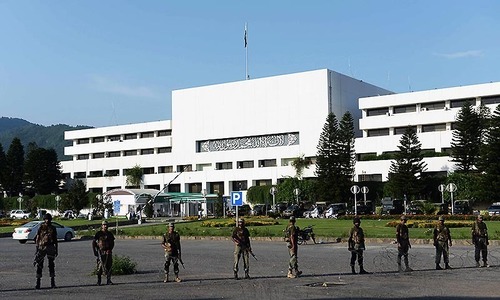
The federal government departments, various semi-autonomous bodies under the MoIT, and the provinces all work in silos
There are personalised customer interactions where AI-powered chatbots and virtual assistants can engage with customers in real-time, offering personalised solutions to their queries and concerns. These technologies will provide immediate and accurate responses, improving customer satisfaction and reducing the need for human intervention in routine interactions.
AI can analyse customer data to predict behaviour and preferences. Telecommunications companies can use this information to tailor their offerings, promotions, and communication strategies, creating a more relevant and appealing customer experience.
While AI-driven analytics can monitor network performance, predict potential issues, and optimise network resources, AI can automatically identify and troubleshoot network issues, reducing downtime and minimising customer disruptions. This swift problem-solving capability enhances the overall reliability of telecom services.
But among these, Mr Khan believes that the key usage of AI will be in Fraud Prevention as AI can identify patterns of fraudulent activities and unauthorised usage, helping to secure customer accounts and data.
Apart from the investments in AI and growth in technology, the low quality of voice as well as data service remains an issue in Pakistan.
The telcos claim that it was due to the limited availability of spectrum in the country. The companies have been complaining to the MoIT and the PTA, requesting more spectrum to be released.
Even the former minister for IT, Syed Aminul Haque, openly said that Afghanistan has more spectrum than Pakistan. He said the virtual highway cannot be misused, urging the government to have flexibility and allocate it free of cost so that the companies can invest in infrastructure and innovative products. Meanwhile, the government will benefit from higher tax collections as the economy will grow due to communication outreach and digitisation.
All four telcos argue that Pakistan has to utilise the full potential of 4G before moving to 5G. Still, FBR has a different point of view and spectrum is auctioned at a high price in Pakistan despite limited participation.
Published in Dawn, The Business and Finance Weekly, September 4th, 2023