AI-supercharged neurotech threatens mental privacy, warns Unesco

Published
0

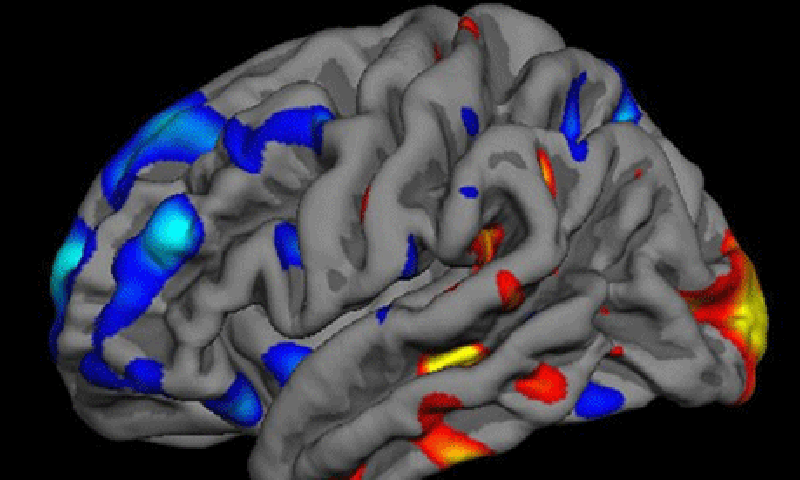
PARIS: The combination of “warp speed” advan­ces in neurotechnology, such as brain implants or scans that can increasingly peek inside minds, and artificial intelligence poses a threat to mental privacy, Unesco warned on Thursday.

The UN’s agency for science and culture has started developing a global “ethical framework” to address human rights concerns posed by neurotechnology, it said at a conference in Paris.

Neurotechnology is a growing field seeking to connect electronic devices to the nervous system, mostly so far to treat neurological disorders and restore movement, communication, vision or hearing.

Recently neurotechnology has been supercharged by artificial intelligence algorithms which can process and learn from data in ways never before possible, said Mariagrazia Squicciarini, a Unesco economist specialising in AI.

“It’s like putting neurotech on steroids,” she said.

Published in Dawn, July 14th, 2023
Opinion

Editorial

Equal citizens
Updated 11 Aug, 2026

Equal citizens

Religious minorities continue to face mob violence, attacks on their places of worship, forced conversions and social and economic exclusion.
Tel Aviv’s subterfuge
Updated 11 Aug, 2026

Tel Aviv’s subterfuge

These verbal gymnastics indicate that Tel Aviv has no intention of ending its occupation of the Strip.
Abandoned after floods
11 Aug, 2026

Abandoned after floods

THREE years after the 2022 floods submerged a third of Pakistan, more than 134,000 verified affected families in...
Genuine governance
Updated 10 Aug, 2026

Genuine governance

ON the surface, the Punjab cabinet’s decision to allocate funds for local government elections is a welcome step...
Failed by the state
10 Aug, 2026

Failed by the state

THE 1,914 cases of child abuse across Pakistan in the first six months of 2026 should spark outrage. The figure ...
HIV crisis
10 Aug, 2026

HIV crisis

PAKISTAN’s presence among countries with the fastest-growing HIV epidemic in Asia is a matter of shame. Globally,...