Israel said on Monday that hoped-for direct flights to Saudi Arabia for the Haj pilgrimage would not happen this year, and played down any prospects of an imminent US-mediated normalisation of relations with Riyadh.
Regional powerhouse Saudi Arabia gave its quiet assent to Gulf neighbours United Arab Emirates and Bahrain forging ties with Israel in 2020. But it has held off on following suit, saying Palestinian statehood goals should be addressed first.
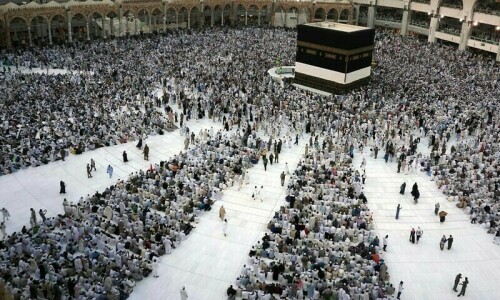
Still, Israeli and US officials had predicted that the kingdom, home to Islam’s two holiest sites, might as a goodwill gesture let members of Israel’s 18 per cent Muslim minority fly in directly for this year’s Haj.
Riyadh never formally offered that, however.
With the pilgrimage now imminent — June 25 to July 2 — and Israel’s Transport Ministry reporting no airlines applying to run special flights to Saudi destinations, a top aide to Prime Minister Benjamin Netanyahu acknowledged they would not happen.
“Perhaps for the next Haj we will be in a position to help in this matter, and [direct] flights will depart from here,” National Security Adviser Tzachi Hanegbi told Kan radio. “But it’s too early to say.”
The Biden administration has described Israeli-Saudi normalisation as a US national security interest.
It is also a major foreign-policy goal of Netanyahu, who regained power in December at the head of a hard-right government pledging to close ranks with Arab powers that share Israel’s worries about Iran.
But Hanegbi, in a weekend newspaper interview, said normalisation was “a ways off” because, he argued, it would hinge on addressing strains between Riyadh and Washington.
“Since we thought a Saudi-US agreement was the precursor for any [Israeli] peace deal with Riyadh, we assessed that … it would not have a high chance of being realised,” Hanegbi told Israel Hayom.
A source familiar with the matter said Riyadh wants US support for its civilian nuclear programme in exchange for normalisation with Israel — which, for its part, has voiced misgivings over any such quid-pro-quo.
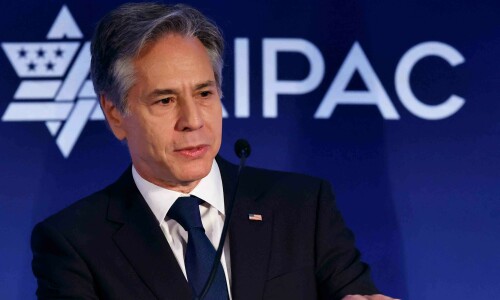
Visiting Saudi Arabia on June 8, US Secretary of State Antony Blinken said the administration would continue working on normalisation “in the days, weeks and months ahead”.
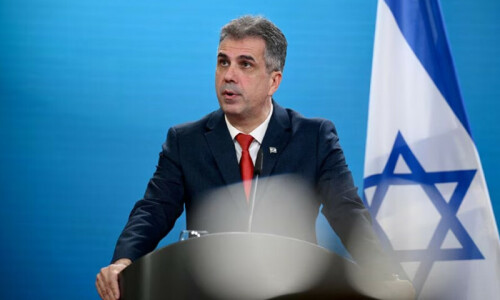
Israeli Foreign Minister Eli Cohen told Channel 14 TV he saw a “window of opportunity” through March 2024 for Washington to address Saudi demands for normalisation because after that, “the United States will be deep in the [presidential] election”.