0
0

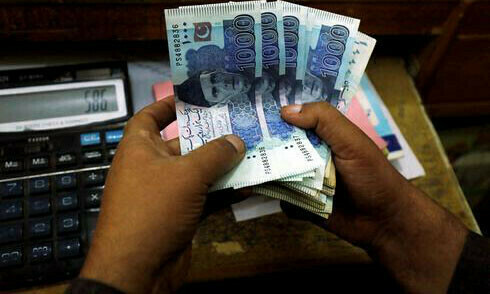
The delay in the finalisation of a deal with the International Monetary Fund (IMF) continued to roil currency markets on Thursday morning, with the Pakistani rupee seeing a Rs3.18 depreciation against the dollar in the interbank market.
The rupee was being traded at Rs282.50 at 11:05am today, according to data shared by the Exchange Companies Association of Pakistan (ECAP).
The local currency, however, closed at Rs282.30 from Rs279.12 a day earlier.
‘Uncertainty over IMF delays’
Zafar Paracha, secretary general of (ECAP), told Dawn.com that the main reason for the rupee deprecation appeared to be a delay in agreement with the International Monetary Fund (IMF).
“Until an accord is signed with the lender and payment is not received from other countries, the uncertainty will prevail in the market,” he added.
Paracha said foreign investors and IMF were also “pressuring” Pakistan to weaken the rupee so foreign investment could be injected into different sectors of the country. “This is also a big reason behind the depreciation of the rupee that investors want to make the most of the dollar surge.”
According to him, currency stability was nowhere in sight until the IMF accord was finalised.
The currency has been sliding in recent days after delays in a deal between Pakistan and the International Monetary Fund, which they have been negotiating since early last month.
A move to a market-based currency exchange rate regime is one of a list of actions the IMF wants Pakistan to complete to clear its 9th review, which if approved by its board would release a funding tranche of over $1 billion that has been delayed since late last year over a policy framework.
The prerequisites by the lender are aimed at ensuring Pakistan shrinks its fiscal deficit ahead of its annual budget around June.
Pakistan has already taken most of the other prior actions, which included hikes in fuel and energy tariffs, the withdrawal of subsidies in export and power sectors, and generating more revenues through new taxation in a supplementary budget.
The fiscal adjustments demanded by any deal, however, are likely to further fuel record high inflation, which hit 31.5pc year-on-year in February.
Bilateral and multilateral external financing commitments and raising policy rates are two other demands by the IMF that Pakistan is yet to meet.