0
0

Iran announced on Tuesday it had made the first arrests in a spate of mystery poisonings of schoolgirls that has affected more than 5,000 pupils since late November.
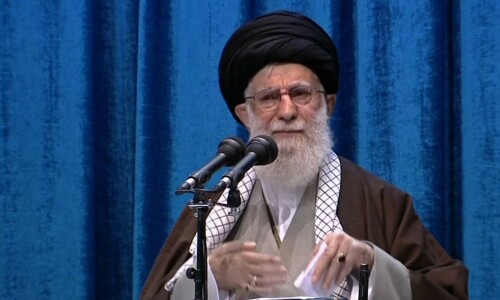
Supreme leader Ayatollah Ali Khamenei had called on Monday for the perpetrators of the “unforgivable crime” to be tracked down “without mercy” as public anger mounts.
“Based on the intelligence and research measures of the intelligence agencies, a number of people have been arrested in five provinces and the relevant agencies are conducting a full investigation,” deputy interior minister Majid Mirahmadi told state television.
He did not identify those detained or elaborate on any possible motive.
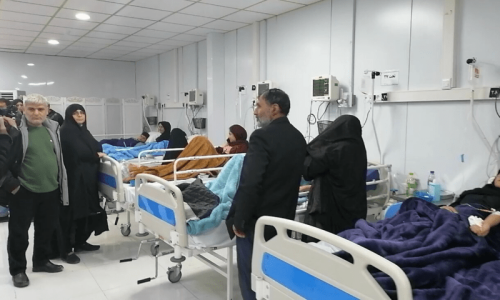
Scores of Iranian schools have been hit by poisonings since late November, with pupils suffering symptoms ranging from shortness of breath to nausea and vertigo after reporting “unpleasant” odours on school premises. Some have been treated in hospitals.
“Twenty-five (out of 31) provinces and approximately 230 schools have been affected, and more than 5,000 schoolgirls and boys poisoned,” Mohammad-Hassan Asafari, a member of the parliamentary fact-finding committee, told the ISNA news agency on Monday.
“Various tests are being carried out to identify the type and cause of the poisonings. So far, no specific information has been obtained regarding the type of poison used.”
The mystery poisonings have triggered a wave of anger and demands for action from the authorities.
They have also sparked international concern and Western calls for an independent investigation, particularly as the first cases were reported soon after the start of nationwide protests over the death of Iranian Kurd Mahsa Amini, 22, following her arrest for allegedly breaching Iran’s strict dress code for women.
President Ebrahim Raisi tasked the interior and intelligence ministries last week with providing continuous updates on the poisoning cases, dubbing them “the enemy’s conspiracy to create fear and despair” among the people.
“In less than five per cent of the students transferred to hospital, irritant materials were found which led to their ill-health,” the interior ministry said in its latest update on Monday.
“Fortunately, so far, no toxic or dangerous substances have been found in any of the students transferred to medical centres.”
Deputy health minister Saeed Karimi said symptoms included “respiratory irritation, stomach ache, weakness and lethargy”.
“These inhaled irritants may not necessarily be a gas but may be in the form of a powder or paste or even a liquid, which when poured over a heater or vaporised by heat can cause complications,” he added.
The latest case — reported by the ISNA news agency — involved 40 pupils, all of them female, in the restive southeastern city of Zahedan on Tuesday.
The White House called on Monday for a “credible independent investigation” into the poisonings.
The first cases were reported in Iran’s clerical capital of Qom in late November, a month after the Amini protests that later spread to universities and schools.
On Tuesday, Tehran prosecutor Ali Salehi warned “those who spread lies and rumours” about the poisonings that “they will be dealt with decisively and legally”, the judiciary’s Mizan Online website reported.
“In the past week, court cases and charges have been filed against the managers of the Hammihan, Rouydad 24 and Shargh media, as well as several individuals,” Salehi added.