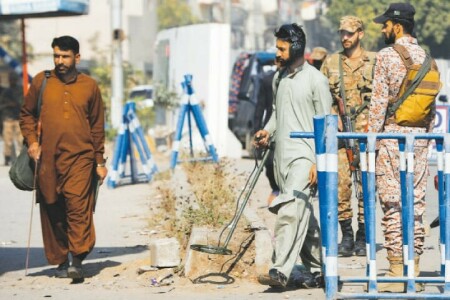
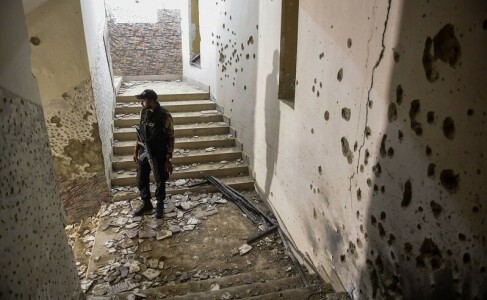
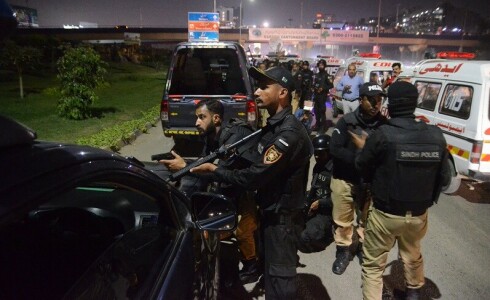
Friday’s brazen attack by the banned TTP on the Karachi Police Office came as a violent jolt to the system. It underscored the high vulnerability of what should be well-protected cities to terrorist threats. The raid should lead to some stocktaking to identify the security and intelligence lapses that led to the incident. Equally important is the need for the civilian and military leadership to jointly hammer out a workable counterterrorism policy — indeed, a consensus that warring political parties must also attempt to evolve together. Unfortunately, while the militants are committed to their bloodthirsty agenda, the state is stumbling over an effective counter-strategy.
The situation which led to the assault did not develop overnight. Those who let the militants back into Pakistan — whether members of the former PTI government, or the previous military leadership — must explain.
At present, PTI leaders are accusing former COAS Qamar Bajwa of allowing TTP fighters and their families back into Pakistan during the doomed peace negotiations with the terrorist group. While the previous military leadership did allow TTP cadres to return, former prime minister Imran Khan also defended this disastrous policy, stating that the choice was either between killing “all of them” or reaching an agreement and letting the militants settle in KP.
Today, we are reaping the bitter harvest of permitting large numbers of militants to return to Pakistan. Secondly, whether it is Karachi or some other big city in the country, a support network already exists for the militants in the form of ‘jihadi’ and sectarian actors sympathetic to the TTP’s cause. These elements provide shelter and support to their ideological comrades, allowing them to melt away into the urban sprawl. Hence any counterterrorism policy must also target these militant facilitation networks already present in Pakistan.
Experts have called for a security audit in the wake of the Karachi attack. Certainly, a thorough analysis of the weaknesses needs to be conducted. But looking at the big picture, strong leadership — which is in very short supply — is needed to send a stern message to the terrorists — that the state will not allow the militants to carry out their murderous agenda.
Sadly, our civilian leadership is too busy trading invective, while the military has also done little to assure the people that it will crush the terrorist threat. The much-touted multiparty conference on terrorism has been twice postponed, perhaps reflecting the lack of importance our ruling elite attach to matters of public safety. This apathy must end. Sindh police officers, backed by Rangers and military personnel, bravely put an end to Friday’s siege. The state needs to do its bit and reassure our front-line security personnel, and the population, that it recognises the nature of the threat, and is doing all it can to neutralise it.
Published in Dawn, February 19th, 2023