0
0

KHYBER: Residents of Landi Kotal tehsil on Friday renewed their opposition to the installation of power meters in residential units here leaving their talks with the electric supply company on the matter inconclusive.
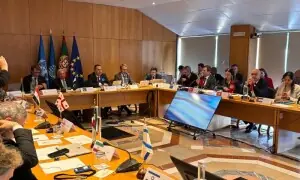
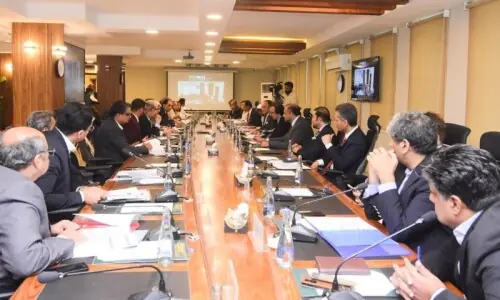
Representatives of the Tribal Areas Electric Supply Company (Tesco) met tribal councillors and civil society members at the Jirga Hall in Landi Kotal.
Tesco Xen Askar Ali along with Landi Kotal assistant commissioner Irshad Momand and police officials met the residents and tried to convince them to install power meters at their residential units.
Mr Ali said that since the federal government had stopped paying subsidies, his company won’t supply electricity to the residents free of charge.
Tesco had announced in the last week of January loadshedding for almost 22 hours daily citing its financial constraints as the reason.
Tesco says no free electric supply in future
The announcement angered the residents of Bara, Jamrud and Landi Kotal, who, along with their elected councillors, warned that they would besiege the local grid stations if the new loadshedding schedule wasn’t withdrawn.
Tesco, however, said that domestic consumers had to install power meters as it had clear-cut instructions from authorities about a new loadshedding schedule for all seven tribal districts in Khyber Pakhtunkhwa.
Xen Ali said that the duration of loadshedding would come down only if tribesmen installed power meters at their homes.
He said that shopkeepers of the Landi Kotal Bazaar got electricity almost 20 hours daily for paying bills regularly.
The Tesco official said that the entire Khyber tribal district consumed Rs737 million worth of electricity and of the amount, Rs163.71 million was paid by Landi Kotal’s traders prompting the federal government to do away with the power subsidy for tribal districts.
He also reminded tribesmen that they had power meters at their homes in the past and used to pay bills regularly until the early 80s and that they hadn’t been asked to install meters for the first time.
Shopkeepers and traders of the area had agreed long ago to install power meters at their shops and other business places and regularly pay for the electricity consumed.
Representatives of tribal people refused to pay electricity bills or install power meters at their homes. They demanded supply of electricity for at least six hours daily.
However, the Tesco officials declined the demand leading to the inconclusive dialogue.
Published in Dawn, February 11th, 2023