Bankrupt Sri Lanka announced on Tuesday sharp government spending cuts and warned it had barely enough revenue to pay public salaries and pensions despite huge tax hikes.
The island nation has defaulted on its $46 billion public debt and is negotiating an International Monetary Fund (IMF) bailout after an unprecedented economic crisis last year brought widespread misery.
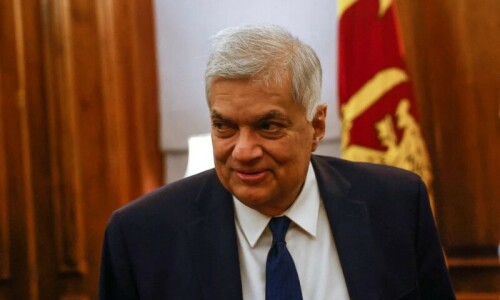
President Ranil Wickremesinghe ordered a five per cent reduction in state spending this week and his administration warned on Tuesday that welfare payments for 1.8 million families below the poverty line could be delayed this month.
“The president informed the cabinet yesterday that the economic crisis this year is going to be worse than what we expected,” government spokesman Bandula Gunawardana told reporters.
Gunawardana said the government expected the economy to contract further this year after shrinking an estimated 8.7pc in 2022.
“We will not get the projected tax revenue because this year too the economy will shrink,” he said.
Sri Lanka needs to achieve debt sustainability as a precondition to secure a $2.9 billion IMF loan.
The lender has also asked Colombo to trim its 1.5 million-strong public service, sharply raise taxes and sell off loss-making state enterprises.
Key creditors such as China and India are yet to agree upon a “haircut” on their loans to the South Asian nation, which has stalled Sri Lanka’s efforts to restructure its debt.
Doubled personal income and corporate taxes kicked in on New Year’s Day to shore up state revenue.
Electricity prices are also rising another 65pc after a 75pc tariff increase in August.
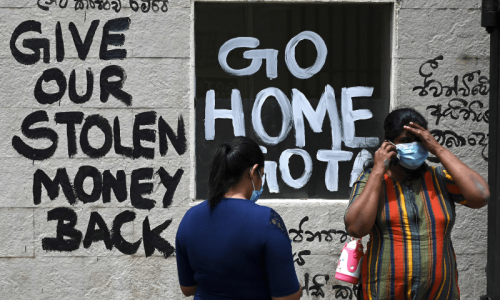
Sri Lanka’s 22 million people endured months of food and fuel shortages, chronic blackouts and runaway inflation last year, inflaming public anger.
Wickremesinghe came to power in July at the peak of the crisis after his predecessor fled the country when protesters stormed his residence.