62pc Karachiites live in informal settlements, lack quality transport, health facilities, moot told


 0
0

KARACHI: Urban planning of old cities like Karachi is a complex issue and an integrated approach should be adopted by combining the engineering aspects of settlements and social aspects of the masses, shared a speaker at a conference at NED University’s city campus on Friday.
The 6th International Conference on Urban and Regional Planning was organised by the university’s department of architecture and planning. The theme of this year’s conference was ‘Urban Poor and Cities’.
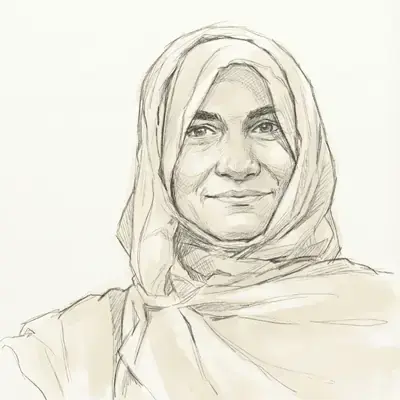
Speaking at the event, researcher Amal Hashim said: “The country’s largest city, with an official population of 16.5 million people, has 62 per cent of its citizens living in informal settlements where they face a host of issues ranging from lack of transport to quality education and healthcare.”
She was giving a presentation on her study about urban challenges in Karachi from the perspective of poor communities. The study discussed the perceptions, needs, and requirements of the poor in Karachi as articulated by themselves and examined how their problems impacted low-income families.
NED University’s pro VC says Karachi’s urban planning requires integrated approach
“It is important to find out what this population seeks from the city they live in. Better transport, housing, health, and education facilities seem to be top priorities. But, what are the obstacles they face in their day to day lives?
“Additionally, it is crucial how various groups of people define poverty and why they consider themselves to be poor,” she said.
In his remarks, Dr Mouhammad Tufail, pro-vice chancellor of the NED University, said urban planning, particularly of old cities like Karachi, was a complex issue and an integrated approach should be adopted by combining its engineering and social aspects.
“Urban planning has multiple dimensions and those need to be addressed by the academia in a robust manner,” he noted.
In her presentation, Dr Josephine Baell, emeritus professor and distinguished research fellow, London School of Economics, shared the progress since a research was first conducted by her team on the involvement of formal and informal workers in municipal solid waste management in the cities of Faisalabad and Karachi in the mid-1990s.
“At that point, the concern was how to ensure recognition of the rights and contributions of those working in the informal waste economy in the context of a donor agenda that advocated privatisation of the sector.
“Privatisation has taken place but with greater caution and not as extensively as envisaged 30 years ago. There have been differential impacts on workers and micro-enterprises involved in waste collection in and between the two cities,” she noted.
She also talked about the potential for Pakistan to mirror trends elsewhere, where informal waste workers and/or their enterprises were being formally integrated into municipal waste collection, retrieval and recycling systems and fairly remunerated.
Her presentation concluded by exploring such innovations in Pakistan and the potential for these micro-privatisations of primary collection services and waste recovery and reuse to contribute to a new political imaginary of the public.
Dr Anila Naeem, chairperson of the department of architecture, and Dr Masoma Shakir, member of the architecture and planning faculty, also spoke.
Published in Dawn, November 19th, 2022