2
2

COLOMBO: Sri Lanka’s parliament on Friday passed a constitutional amendment aimed at trimming presidential powers, beefing up anti-corruption safeguards and helping to find a way out of the country’s worst financial crisis since independence.
Sri Lanka has struggled for months to find enough dollars to pay for essential imports such as fuel, food, cooking gas and medicine.
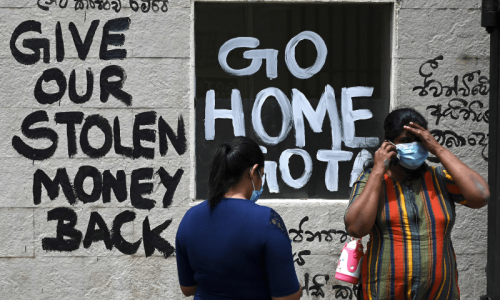
Many Sri Lankans blame former president Gotabaya Rajapaksa for implementing multiple failed policies including tax cuts, a now-reversed ban on chemical fertilisers and delays in seeking IMF assistance that resulted in the country defaulting on its foreign debt for the first time in history.
As a response to widespread protests, Rajapaksa had backed constitutional reforms that would reduce the powers of the executive presidency and allocate them to parliament in June. He resigned the next month after protesters stormed his office and residence.
“This amendment will not only help bring about the system change demanded by Sri Lankans it will also help in securing an IMF programme and other international assistance to rebuild the economy,” Justice Minister Wijedasa Rajapakshe told parliament.
In September, Sri Lanka signed an early deal with the IMF for a loan of $2.9 billion, with pledges to improve regulations to fight corruption.
Opposition parties and civil society representatives, however, have slammed the amendment as not far-reaching enough in promoting accountability and reducing government powers.
“This is just tinkering with presidential powers and the amendment does not implement significant change,” said Bhavani Fonseka, a senior researcher at the Centre for Policy Alternatives, a Colombo-based think tank.
“The president still retains the power to prorogue parliament, to hold ministries and the constitutional council will still have mostly government appointees.”
The amendment was passed with the required two-thirds majority.
Published in Dawn, October 22th, 2022