0
0
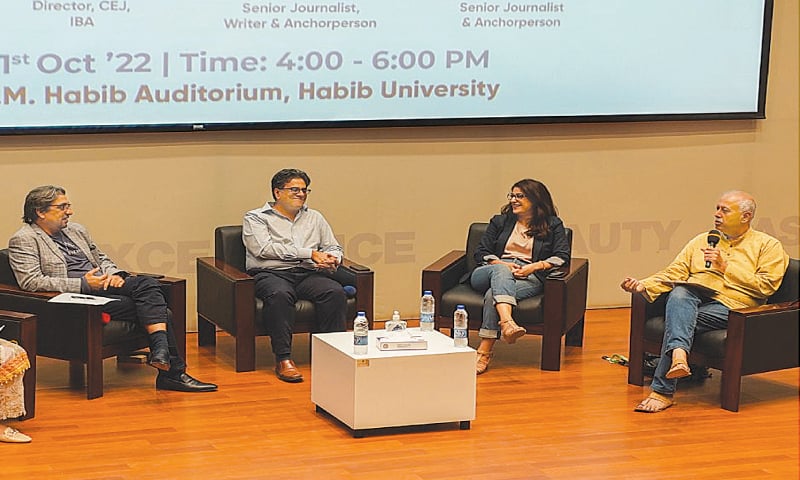

KARACHI: Habib University organised a panel discussion on the subject of ‘Critical thinking in media: myth and reality’ with four senior journalists on Friday.
The conversation drew some ground-breaking insights into what exactly critical thinking in media means and how important has it become in Pakistan?
Leading columnist at BBC Urdu Wusatullah Khan underlined the factors that thwart one from being critically aware.
“Society creates boundaries for younger individuals, and limit their thinking with the practice of keeping every quantity absolute,” he said, while emphasising on the indispensability of questioning. “Questions have the power of shaking the foundations of state,” he added.
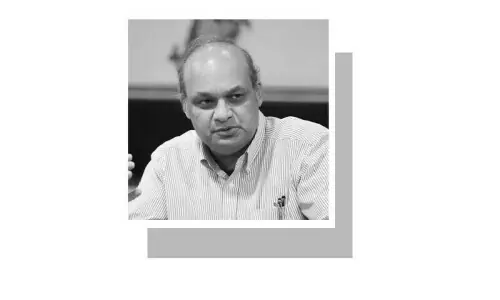
Senior journalist Owais Tohid pointed out: “If there is no critical thinking how would you be able to evaluate whether the news is true or fake, real or fabricated?”
He further highlighted, “We, as a society, don’t have the culture of asking questions, and this is what is also permeating in Pakistan’s media,” he said, referring towards the increasing polarisation in Pakistan.
Amber Rahim Shamsi, the director of Centre for Excellence in Journalism, underlined the role of critical thinking in media to make it more transparent and accountable.
“Media is an institution on which the masses rely for the sake of awareness to avoid ambiguity in these times of misinformation and uncertainty,” she said.
“Since many years, our education system has been stagnated when it comes to critical thinking, and as a consequence, we don’t have human resources which are capable of challenging indoctrination,” she added.
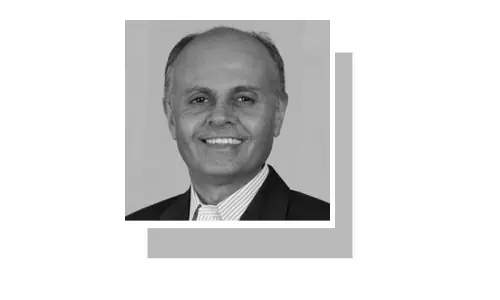
News Director of AAJ TV Kamal Siddiqui added: “In our universities, and especially in the public sector universities, the discourse of critical thinking has been actively discouraged.”
Published in Dawn, October 22th, 2022