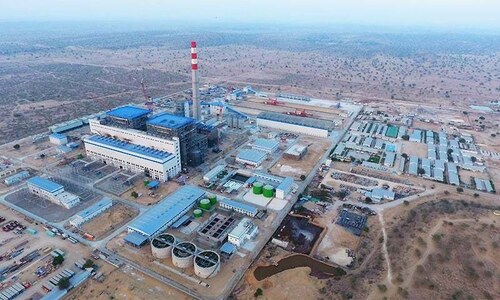
KARACHI: A coal-fired, mine-mouth power plant of 330 megawatts owned by Thar Energy Ltd — which is a subsidiary of the Hub Power Company Ltd (Hubco) with a 60 per cent shareholding — has been commissioned as its commercial operations date will take effect Oct 1 (today), a regulatory filing showed on Friday.
Speaking to Dawn, AKD Securities energy analyst Taimur Afzal said the commissioning of Thar Energy Ltd plant will be followed by the commissioning of another 330MW mine-mouth, lignite-fired power plant in December by ThalNova Power Thar Ltd, a Hubco associate with 38.3pc shareholding. The second 330MW plant is 85pc complete, he added.
The country’s oldest and largest independent power producer (IPP), Hubco will now have collective power generation capacity of 3,251MW with power plants in Balochistan, Punjab, Azad Jammu and Kashmir and Sindh.
According to Standard Capital Securities analyst Shehzad Khan, the 330MW plant of Thar Energy Ltd will produce electricity at Rs3 a unit as opposed to the Rs20 a unit cost incurred by coal-fired plants that operate on imported fuel.
Besides Hubco’s 60pc shareholding in Thar Energy Ltd, Fauji Fertiliser Company Ltd owns 30pc shares in the company while China Machinery Engineering Corporation controls a 10pc stake.
Hubco has been entangled in the circular debt, which is unpaid subsidies that show up on the balance sheets of energy companies. Its latest annual accounts show consolidated trade debts amounted to Rs84.7 billion at the end of June, down 16.9pc from a year ago.
Mr Afzal of AKD Securities said the pile-up of the sector-wide circular debt had slowed down considerably by the first half of 2021-22. But then the last government announced a subsidy of Rs5 a unit on electricity consumption while the present government didn’t roll it back immediately.
This led to an increase in the fresh flow of the circular debt as the growing tariff differential claims — the difference between the tariffs paid by consumers and the allowable costs of electricity set by the regulator — caused a shortage of liquidity in the power sector.
The circular debt, which currently stands at Rs2.5 trillion, is likely to reach Rs2.8tr by the end of this fiscal year, said Mr Afzal.
Published in Dawn, October 1st, 2022