Unesco mobilises $350,000 to save heritage sites


ISLAMABAD: The unprecedented floods which have killed at least 1,300 people and left vast areas of the country submerged have also taken a toll on Pakistan’s cultural heritage sites, prompting the United Nations Educational, Scientific and Cultural Organisation (Unesco) to muster up emergency finances to restore these cultural treasures.
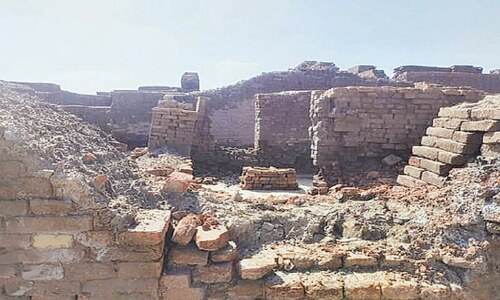
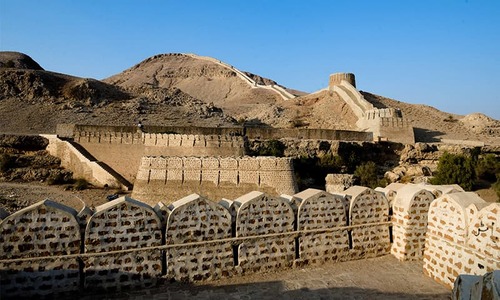
In a statement on Thursday, the UN body said it had mobilised an emergency fund of $350,000 to help flood-damaged cultural heritage sites in Pakistan, particularly Moenjo Daro which dates back to 2,500BC, and historical monuments at Makli, Thatta, in Sindh.
As a result of floods, Karez in Balochistan, a traditional irrigation system on Pakistan’s World Heritage Tentative List, the Amri site museum, and the Sehwan folk and craft museum in the Jamshoro district, have also been damaged, Unesco said, as it announced funds to save heritage in Pakistan.
Unesco Director General Audrey Azoulay said as part of its mandate, Unesco will provide assistance to “restore this heritage” and based on “needs analysis conducted by our office in Islamabad, we decided to mobilise right now $350,000 from our heritage and emergency funds”.
According to the world body, $150,000 will be released from the World Heritage Fund to support recovery and prevention measures at Moenjo Daro and Thatta World Heritage site. The funds will also include measures to mitigate the impact of natural disasters in the long term.
Similarly, $200,000 will be released from the Heritage Emergency Fund for cultural heritage, cultural practices and intangible heritage elements at risk in the Balochistan, Swat, and Larkana districts, it added.
These activities will aim to support not only the national response plans but also the knowledge bearers, artisans, craftspeople, and artists who have lost their livelihoods due to the floods on the other, it added.
Additionally, the Unesco office in Islamabad said it is working with the authorities to rapidly provide $50,000 for distance learning solutions to ensure continuity of education.
Published in Dawn, September 9th, 2022