We have technical means to produce atom bomb, no intention of doing so: Iran nuclear chief


 16
16


Iran has the technical capability to produce an atomic bomb but has no intention of doing so, Mohammad Eslami, head of the country's atomic energy organisation, said on Monday, according to the semi-official Fars news agency.
Eslami reiterated comments made by Kamal Kharrazi, a senior adviser to Supreme Leader Ayatollah Ali Khamenei, in July.
Kharrazi's remarks amounted to a rare suggestion that the Islamic Republic might have an interest in nuclear weapons, which it has long denied seeking.
"As Mr Kharrazi mentioned, Iran has the technical ability to build an atomic bomb, but such a programme is not on the agenda," said Eslami.
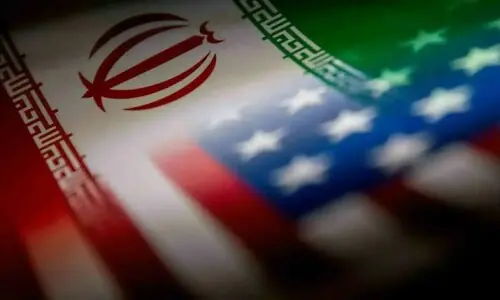
Iran is already enriching uranium to up to 60 per cent fissile purity, far above a cap of 3.67pc set under Tehran's now tattered 2015 nuclear deal with world powers. Uranium enriched to 90pc is suitable for a nuclear bomb.
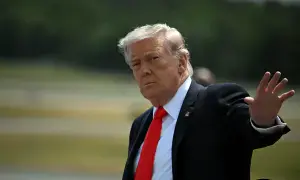
In 2018, former US President Donald Trump ditched the nuclear pact, under which Iran curbed its uranium enrichment work, a potential pathway to nuclear weapons, in exchange for relief from international economic sanctions.
Iran has responded to top European Union diplomat Josep Borrell's proposal aimed at salvaging the nuclear accord, and seeks a swift conclusion to negotiations, the top Iranian nuclear negotiator said on Sunday.
Borrell said he had proposed a new draft text to revive the deal.
"After exchanging messages last week and reviewing the proposed texts, there is a possibility that in the near future we will be able to reach a conclusion about the timing of a new round of nuclear negotiations," Iranian foreign ministry spokesman Nasser Kanaani said.
The broad outline of a revived deal was essentially agreed in March after 11 months of indirect talks in Vienna between Tehran and US President Joe Biden administration.
But talks then broke down over obstacles including Tehran's demand that Washington should give guarantees that no US president will abandon the deal, the same way Trump did.
Biden cannot promise this because the nuclear deal is a non-binding political understanding, not a legally binding treaty.