1
1

THE foreign exchange savings that the Shehbaz Sharif government is targeting to achieve by banning the import of 38 ‘non-essential, luxury goods’ will have negligible impact on Pakistan’s growing balance of payment constraints.
Touted as the first major policy decision by the PML-N-led coalition to boost the flagging economy, the import ban is not likely to yield more than $100m a month or close to 1.6pc of the country’s average monthly import bill of over $6.5bn in foreign exchange savings, contrary to the differing official claims of between $300m and $500m.
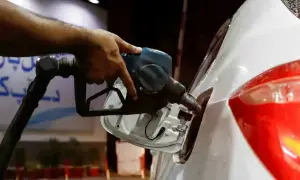
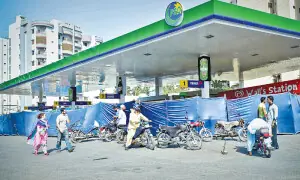
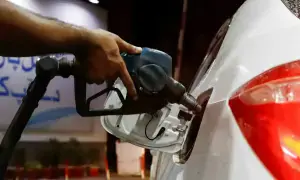
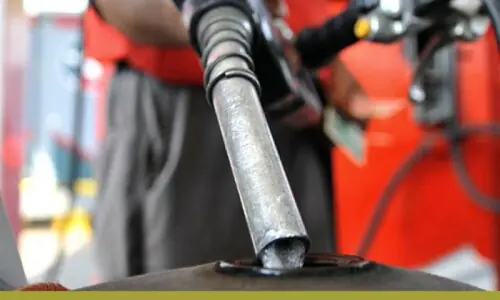
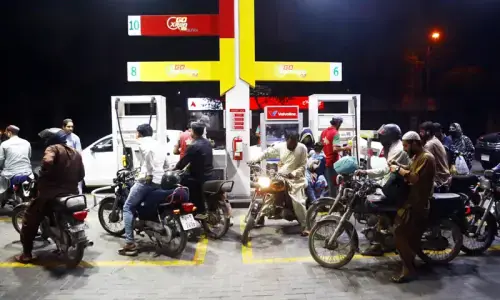
A more pronounced impact would have been possible had the cap on energy prices been removed and measures like early closure of markets and reduction in the number of working days enforced to curtail domestic energy consumption.
Oil and gas imports for power generation have almost doubled to more than $17bn between July 2021and April 2022 from $8.7bn during the previous corresponding period due to a record surge in their global prices. Moreover, not all goods banned under the order can be classified as non-essential or luxury items. The measure, dubbed by many as indirect protection to local producers of the banned imports, is also expected to result in an increase in the prices of their local substitutes, fuelling inflation. Needless to say, it might also encourage smuggling of these items into the country.
Editorial: To be or not to be
The decision has come when the nation’s liquid foreign currency reserves have slid to just above $10bn and the rupee has weakened to over 200 a dollar, with imports jumping by 46.5pc to $65.5bn in the first 10 months of the present financial year and projected to peak at $77bn by the close of the fiscal.
Given the magnitude of the economic meltdown and deteriorating external sector position, most experts are calling upon the government to take unpopular decisions and reverse unfunded energy subsidies that have intensified the crisis. Even though the coalition partners now appear to be in agreement on what needs to be done to save the economy and get the IMF funding, they are reluctant to make tough decisions without the buy-in of the powers that be and assurances that their government will be allowed to complete the term.
With the country in the grip of speculation that the establishment wants the coalition to announce early elections and is working on putting together an interim set-up, none of the ruling coalition partners would want to lose whatever political capital they have by taking unpopular decisions.
PML-N leader Shahid Khaqan Abbasi told a TV show host the other day that if the other stakeholders (including the military) were not prepared to own the difficult measures that need to be taken to save the economy, his party should quit the government. It is difficult to not agree with him given the enormity of the economic challenge facing the country.
Published in Dawn, May 21st, 2022