3
3

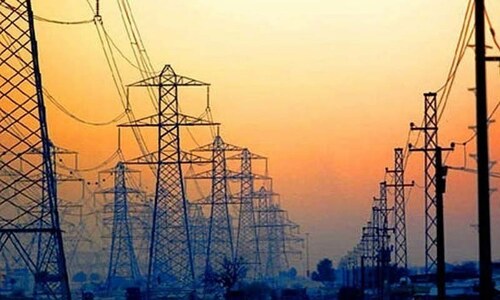
The National Electric Power Regulatory Authority (Nepra) on Friday imposed a fine of Rs50 million on the National Transmission and Despatch Company (NTDC) for its "inability to restore power supply in a timely manner" in the wake of the "total power system collapse" that occurred in January 2021.
According to the regulator, it took approximately 20 hours to restore the system.
In a press release, Nepra said that it had taken serious notice of the incident and constituted an inquiry committee to investigate the matter in light of its laws, rules and regulations.
"The committee conducted the said inquiry and presented a detailed report to the authority on the basis of which the authority initiated legal proceedings against the NTDC," the statement said.
It further stated that an explanation was issued to the company on April 1, 2021, followed by a show cause notice on August 25, 2021.
Moreover, an opportunity of hearing was also granted to the NTDC on January 12, 2022, however, the NTDC failed to provide any satisfactory response and was found guilty of violating the relevant provisions of the grid code. "Therefore, the authority has imposed a fine of Rs50 million on the NTDC," the statement said.
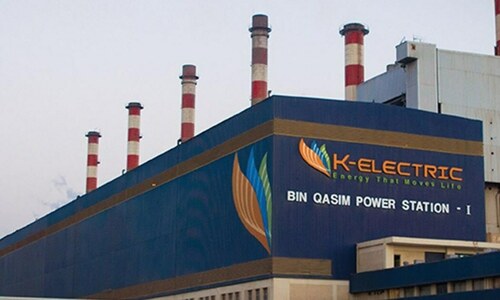
The regulator also pointed out that it had initiated legal proceedings against the power plants concerned for their "lapses, deficiencies and failure" in relation to the incident. It said this was currently "under process and being dealt separately".
In January 2021, a major power breakdown had plunged the entire country, including major urban centres such as Karachi, Islamabad, Lahore and Multan, into darkness for up to 22 hours a little before midnight. At the time, then energy minister Omar Ayub Khan had attributed the breakdown to a technical fault at the Guddu power station.
Read: What blights Pakistan’s electricity system?
A month later, an independent inquiry committee appointed by Nepra found serious violations of safety and security protocols and severe deficiencies in the country’s power system operations starting from generation facilities both in public and private sector to the entire transmission network.
The 24-page inquiry report also observed that “black start operations at most of the power plants were non-existent or non-functional which should have restored the power supply quite quickly in the country”.
On the other hand, a NTDC inquiry committee in March 2021 identified governance, ownership problems and poor chain of command for countrywide power breakdown, but absolved its own team of any responsibility.
In its report, the four-member inquiry committee quoted letters written by some of its members for improvement of the electricity generation system and its safety protocols and equipment to prove that the NTDC had been highlighting the system’s weaknesses.