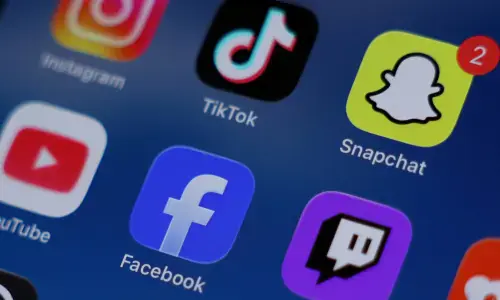
Facebook to change rules on attacking public figures on its platforms


 1
1


Facebook Inc will now count activists and journalists as "involuntary" public figures and so increase protections against harassment and bullying targeted at these groups, its global safety chief said in an interview this week.
The social media company, which allows more critical commentary of public figures than of private individuals, is changing its approach on the harassment of journalists and "human rights defenders", who it says are in the public eye due to their work rather than their public personas.
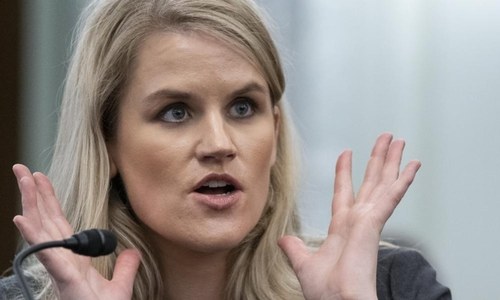
Facebook is under wide-ranging scrutiny from global lawmakers and regulators over its content moderation practices and harms linked to its platforms, with internal documents leaked by a whistleblower forming the basis for a US Senate hearing last week.
How Facebook, which has about 2.8 billion monthly active users, treats public figures and content posted by or about those figures has been an area of intense debate. In recent weeks, the company's "cross-check" system, which the Wall Street Journal reported has the effect of exempting some high-profile users from usual Facebook rules, has been in the spotlight.
Facebook also differentiates between public figures and private individuals in the protections it affords around online discussion: for instance, users are generally allowed to call for the death of a celebrity in discussions on the platform, as long as they do not tag or directly mention the celebrity. They cannot call for the death of a private individual, or now a journalist, under Facebook's policies.
The company declined to share a list of other involuntary public figures but said they are assessed on a case-by-case basis. Earlier this year, Facebook said it would remove content celebrating, praising or mocking George Floyd's death, because he was deemed an involuntary public figure.
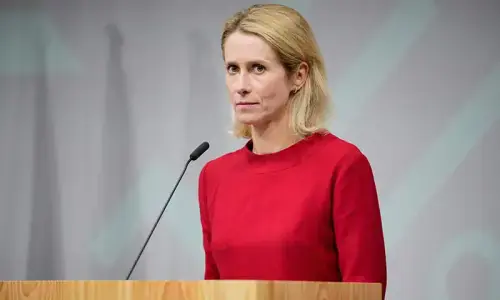
Facebook's Global Head of Safety Antigone Davis said the company was also expanding the types of attacks that it would not allow on public figures on its sites, as part of an effort to reduce attacks disproportionately faced by women, people of colour and the LGBTQ community.
Facebook will no longer allow severe and unwanted sexualising content, derogatory sexualised photoshopped images or drawings or direct negative attacks on a person's appearance, for example, in comments on a public figure's profile.