Non-traditional exports to traditional markets surge by 60pc: ministry


 2
2


ISLAMABAD: The export of non-traditional products to traditional markets posted a growth of 60 per cent, suggesting a greater degree of product diversification over the past five years.
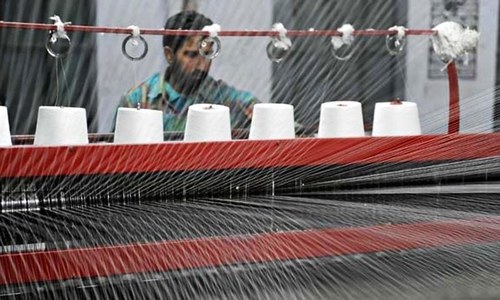
Traditional markets are European countries, US and Afghanistan while non-traditional markets are African countries and Central Asian states. Pakistan’s traditional products are cotton-based textile products and rice while non-traditional products are engineering goods, tractors, and certain fruits.
The commerce ministry carried out a comparison of three years (2015-2018) of the Pakistan Muslim League-Nawaz government with the current year (2020-21) of the PTI government.
The data was shared during a meeting presided over by Adviser to the Prime Minister on Commerce Abdul Razak Dawood here on Wednesday.
According to an official announcement, the analysis shows that the export of traditional products increased by 7pc with a net increase of $1.028 billion. In the same traditional markets, the export of non-traditional products increased by 60pc, a net increase of $2.022bn in value.
A similar change was observed in terms of geographical diversification. The export of traditional products to non-traditional markets decreased by 1pc or $33 million. In contrast, the export of non-traditional products to non-traditional markets increased by 77pc or $713m.
The meeting was informed that diversification of exports is an important pillar of Pakistan’s export strategy and the commerce ministry has launched a number of initiatives aimed at product and market diversification of exports, including Look Africa Policy, Reconnect Silk Route Policy for Central Asian Republics and Drawback of Local Taxes and Levies.
The meeting was told that the ministry is focusing both on diversification within the traditional product sectors like technical textiles and other specialised product sectors where currently there is little or no export but there exists immense export potential. In addition, the ministry is also focusing on diversification into non-traditional product sectors.
The adviser said that product export diversification had to be coupled with geographical diversification to new markets like Africa and South America. He said the policy had just begun to show results but there was still a long way to go.
Published in Dawn, October 14th, 2021