1
1


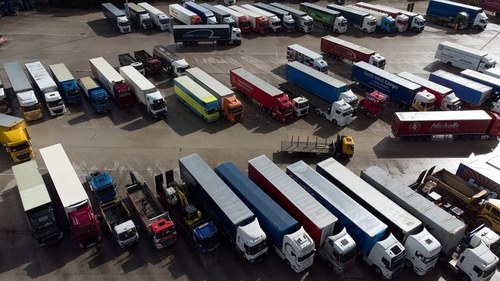
LONDON: The British military started delivering fuel to petrol stations on Monday, after a tanker driver shortage sparked two weeks of panic buying by motorists.
Troops in fatigues drove tankers from Buncefield Oil Depot in Hemel Hempstead 20 miles (32 kilometres) north of London after the military was put on standby last week.
Some 200 military personnel, half of them drivers, are taking part in Operation Escalin to alleviate fuel shortages in London and southeast England worst affected by the run on the pumps.
The military deployment has been requested for 31 days but will be subject to “discussions with industry”, Prime Minister Boris Johnson’s spokesman told reporters.
“What we’ve seen again over the weekend is a continual improving picture with fuel stocks increasing and more fuel being delivered,” he added, cautioning that it was hard to say when the situation would return to normal.
The Petrol Retailers Association (PRA), which represents 65 percent of Britain’s 8,380 independent forecourts, welcomed the military’s intervention. But it warned that soldiers were still likely to have only a limited effect.
At Thurrock in Essex, southeast England, members of the 3rd Logistic Support Regiment have been training with the haulage industry. Uniformed soldiers stood with crossed arms as a civilian instructor in a high-visibility jacket and hard hat showed them how to refill giant tankers.
In Hamble, near the port city of Southampton on England’s south coast, tankers were filled with petrol from a BP oil refinery and rolled out to deliver to forecourts.
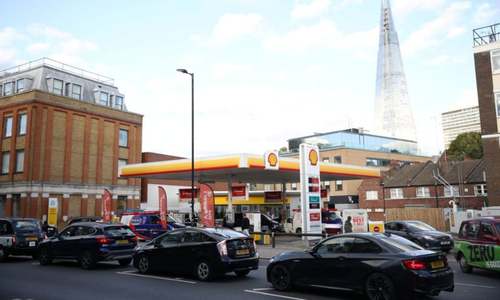
One in five filling stations in London and southeast England remained out of fuel, PRA chairman Brian Madderson said. But the crisis in the rest of the country is “virtually over”, he added.
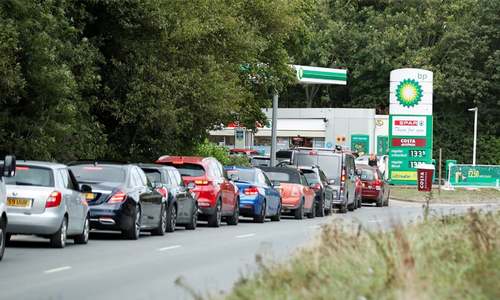
Britain’s roads have been clogged by long queues of motorists at petrol stations for more than two weeks.
Frustrations have boiled over into anger, and violence has even broken out between motorists desperate to fill up, including with jerrycans and even old water bottles.
Critics have blamed the chaos on Britain’s exit from the European Union, coronavirus and a lack of government planning to replace thousands of foreign drivers who have left the country.
Johnson said Britain’s supply chain problems were a “function of the world economy, particularly the UK economy, coming back to life after Covid”.
Poland, the United States and China are also experiencing driver shortages, he said.
The government has made a U-turn on its tougher post-Brexit immigration policy, relaxing curbs to give short-term visas to 5,000 foreign lorry drivers and 5,000 poultry workers to help plug staffing gaps.
But Johnson is resisting any further easing, saying he wants to see a “high-wage, high-skill economy” rather than mass immigration which would drive down salaries.
He called for the road haulage industry to invest in drivers’ wages to make jobs in the sector more attractive.
Finance minister Rishi Sunak told the BBC the government is doing everything it can to address the fuel crisis and food shortages also attributed to driver shortfalls and vacancies in the meat processing sector.
“There are things that we can do and should do,” he said but warned: “We can’t wave a magic wand and make global supply chain challenges disappear overnight.” Shortfalls in foreign workers have raised fears of a shortage of turkeys for Christmas.
Pig farmers protested outside the annual conference of Johnson’s ruling Conservative party in Manchester, northwest England, on Monday to highlight a lack of skilled butchers.
They said the lack of butchers and abattoir workers — many from overseas — could see up to 120,000 animals slaughtered and incinerated rather than going into the food chain.
“Do you really want to see this again?” one poster read, showing a photograph of burning pyres of cows slaughtered during the “mad cow” crisis of 2001.
Published in Dawn, October 5th, 2021