Pakistan needs more N-power plants to meet energy needs: CISS


 0
0


ISLAMABAD: The Centre for International Strategic Studies (CISS) has underscored the need for building additional nuclear reactors to help meet Pakistan’s rising energy demands as they curb greenhouse gas emissions and counter impact of climate change through low-carbon electricity generation.
CISS, a think tank dealing with strategic and nuclear issues, hosted a webinar on ‘Fifty Years of Nuclear Power in Pakistan’, according to a statement issued on Monday.
The webinar highlighted the role of peaceful uses of nuclear technology in socio-economic development, pursuance of Sustainable Development Goals (SDGs) and addressing energy needs of Pakistan.
The webinar was held in connection with the decommissioning of Pakistan’s first nuclear power plant, KANUPP.
Decommissioning of country’s first plant discussed at webinar
Chairman of the Pakistan Atomic Energy Commission (PAEC) Mohammad Naeem said that nuclear power is safe to operate and the inauguration of K-2 is a milestone in Pakistan’s quest to increase the share of clean nuclear energy in national and global mix.
He said this year Pakistan has completed 65 years of its journey in the field of application of nuclear technology for the socio-economic development of the country. This journey started in 1955 with medical centres, agriculture centres, and research and development.
Mr Naeem said that “2021 is a very important year because we are also celebrating 50 years of our nuclear power programme. Also, this is the 50th anniversary of KANUPP and the inauguration of K-2 by the prime minister earlier took place on May 21, 2021”.
“We were the 15th nation of the world that had tht opportunity to have a nuclear power plant when we started our journey. At that time even Korea and China were not in the field when we started operating KANUPP in Karachi,” he recalled.
Following India’s first nuclear test in 1974, an embargo was unfairly placed on Pakistan, along with India, even though Pakistan did not commit any violation. As a result, restrictions on supply of parts and even technical assistance for KANUPP were imposed, but Pakistani scientists and engineers overcame this difficulty in a very able manner. KANUPP was kept functional and continued providing power supply to the national grid.
Mr Naeem emphasised that this was PAEC’s biggest achievement.
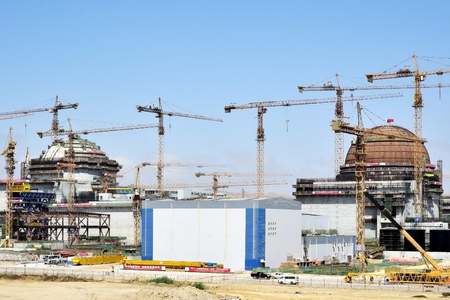
He also said that another plant of 1100MW would become functional over the next eight to 10 months. Both K-2 and K-3 power plants will provide 2200MW of uninterrupted and clean electricity to the national grid for the next 80 years.
Executive Director of CISS Ambassador Naqvi emphasised the increasing role of peaceful use of nuclear power capabilities in pursuit of the socio-economic development.
Regarding Pakistan-China cooperation in helping set up power plants, Ambassador Naqvi highlighted the 1986 bilateral cooperation agreement, which has enabled the country to achieve this remarkable degree of energy production through nuclear power.
Dr Ansar Parvez, a former chairman of PAEC, said Pakistan’s nuclear power generation and peaceful application of nuclear technology in the country was helping pursue the United Nations SDGs. The benefits of nuclear technology expand to different fields, including medicine, health, agriculture, industry, water resource management and electricity production.
Dr Parvez Butt, a former chairman of PAEC, reiterated that to keep pace with technological advancements across the globe, effective utilisation of nuclear technologies is crucial for national development.
Published in Dawn, August 17th, 2021