Hike in global coal price may push up cement, electricity rates at home



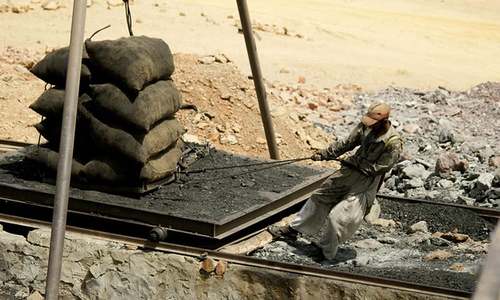
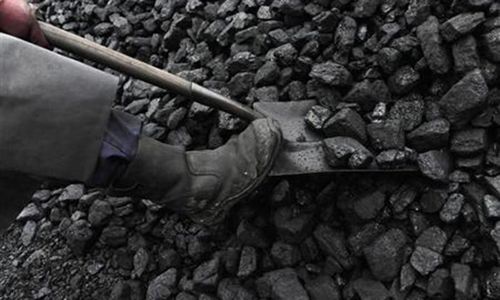
KARACHI: International coal prices have soared to their highest level since 2008, making further hikes in cement and electricity rates likely in the domestic market.
The price of Australian coal, which is used as a benchmark by large coal-burning Asian economies, stood at almost $152 per tonne at the end of last month, up almost 195 per cent from a year ago.
“Even though local cement prices have increased Rs60-70 per bag in the last two months, a further price increase cannot be ruled out… However, pressure from the authorities can result in manufacturers abstaining from passing on the entire increase in the cost of production,” said a research note by AKD Securities on Tuesday.
Speaking to Dawn, Lucky Commodities CEO Tahir Ahmed said the going rate for cost-and-freight coal import from Australia and Russia is $180-plus per tonne. It’s $156 per tonne in case of South African coal, the largest supplier of black gold to Pakistan.
Pakistan imports north of 16 million tonnes of coal every year. Power plants burn about two-thirds of these imports while cement makers and general industry consume the rest, said Mr Ahmed whose company is one of the country’s major coal importers.
The International Trade Centre and the United Nations Statistical Division estimate the country imported 17.1m tonnes of coal in 2020. At the average unit price of $72, the annual import bill for the least-liked commodity remained $1.2 billion.
More than one-fifth of electricity that Pakistan generated in 2020-21 came from burning coal.
“Governments have pumped liquidity into the global economy in the wake of Covid-19, which is resulting in increased demand and rising prices,” he said.
According to AKD Securities, coal price is rising because of high gas prices in Europe. Burgeoning electricity demand has resulted in coal plants receiving preference over gas-based power producers.
Financial Times recently reported that the turbocharged run in the coal price is primarily driven by robust demand from China as a drought in its southern region earlier this year knocked out hydroelectric dams and boosted demand for black gold.
Arif Habib Commodities CEO Ahsan Mehanti believes the impact of rising coal prices has been more pronounced in Pakistan because of the exchange rate woes. “One positive factor is that the dollar is getting stronger as the US Federal Reserve may increase the interest rate to fight inflation. When the dollar gets strong, coal gets weak,” he said, noting that he expects the coal price to settle around $145 per tonne by the end of 2021.
Most countries are trying to phase out coal as a source of electricity in view of the growing concerns about climate change. The Wall Street Journal recently quoted analysts as saying that coal price was likely to “stay elevated” because new environmental regulations have made it difficult for miners to obtain permits or funding to dig more coal out of the ground.
“I expect the coal price to be around $165-170 per tonne by the end of 2021,” said Mr Ahmed of Lucky Commodities.
Published in Dawn, August 11th, 2021