For ordinary people, sifting facts from fiction in the haze of jargon and big numbers is hard. They can still tell if a budget helps or hurts them. The test is simple: the impact on their pockets. The current budget may not be ideal, but with the Covid-19 fallout and the International Monetary Fund (IMF) breathing heavily down our neck, it could have been worse. A surfeit of assumptions on the revenue side, however, raises questions about the viability of budget pledges.
The expanding free vaccination drive and the receding third wave kindle hope that the worst might be over for Pakistan. You need not be a social scientist though to sense that the last year washed away much of the gains in living standards common Pakistanis achieved while struggling painstakingly over the years.
The economic growth excluded average households. The Pakistan Economic Survey 2020-21 is silent on poverty and joblessness levels, but private projections suggest some 50pc of middle-class families were pushed to the edge amidst high inflation and falling incomes. The claim of the government that only 0.2 million (of 20m pushed out of the job market in the pandemic) remain jobless is not convincing.
All in all, it sounded like an election-year budget with the promise of something for everyone. Much will depend on how quickly the private sector translates incentives into GDP growth propelling investment. Their track record fails to inspire confidence. The investment-to-GDP ratio fell to 15.1pc from 15.3pc last year despite stimulus. The government has deviated from the IMF-set path in the budget. If the IMF decides to end the programme, as a consequence, it will multiply challenges for the country.
In 2021-22, the government will have to follow the repayment schedule as the deferment facility expires. The import bill is expected to rise as oil becomes dearer in the world market and demand for imports picks up. Unless the government has some other secured revenue streams, fears of a mini-budget are not misplaced.
In sharp contrast to the last two PTI budgets, the thrust in the latest one is towards growth, relief and confidence-building. The budget, however, serves the classes on the two extremes of the social scale more than it serves the big percentage of households in the middle.
A slew of measures respond to the demands of the corporate sector while the stronger Ehsaas programme promises relief for the poorest of the poor. Concerns of the middle class on jobs, falling incomes and price hikes did not get sufficient attention in the budget.
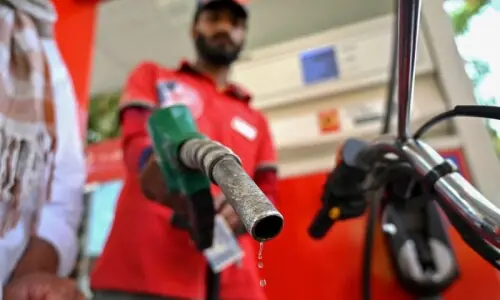
The expected higher petrol price will accelerate inflation and further strain family budgets. Kitchen, transport, utilities and education spending will increase as life limps back to normalcy. Rent, income tax, health and miscellaneous spending may not change, but the scope of personal savings will shrink.
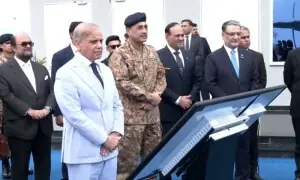
Deflecting the donors’ pressure, Mr Tarin enhanced development spending. The Public Sector Development Programme is jacked up by 38pc to Rs900bn. To deal with the Covid-19 crisis, Rs170bn is set aside for vaccine procurement. The allocation for Ehsaas programme has been raised to Rs260bn from Rs208bn last year. Salaries and pensions of government employees have been raised by 10pc. Several schemes of subsidised loans have been announced for youth, women and farmers as well as skill development and housing sectors.
No new taxes have been levied. Neither have their rates gone up. The government intends to achieve a higher tax revenue target through administrative efficiency. The regressive nature of the tax regime was acknowledged by the finance minister, but he allowed it to be further skewed by raising the share of indirect taxes to 68pc in budget proposals from 66pc last year.
Coping with the pain, fear and demands of social adjustments in the pandemic has already exhausted many. The outgoing year of vanishing jobs, falling incomes and price hikes has taken its toll. They wanted the government to nudge employers to create jobs and increase salaries in these nerve-shattering times.
Published in Dawn, The Business and Finance Weekly, June 14th, 2021