Water shortages worsen for Punjab, Sindh


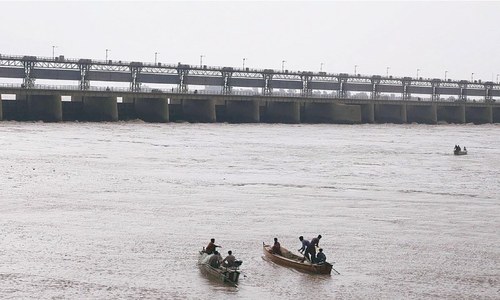
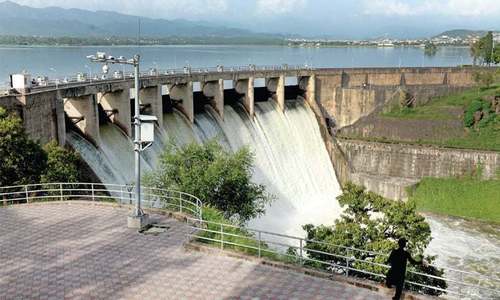
ISLAMABAD: The water shortages for Sindh and Punjab went up to 32 per cent on Friday as river flows continued to drop and storages at both Mangla and Tarbela dams neared dead level.
The Indus River System Authority (Irsa) said it reviewed the overall water situation on Friday and decided to apply 32pc shortages to the two larger provinces instead of 23pc shortage at present.
The water regulator said the positive development was that temperature in Indus catchments had started to go up and was reported at 26.1 degree Celsius from 23.9pc a day earlier. The Pakistan Meteorological Department informed Irsa that temperatures were anticipated to increase and the river flows were expected to improve in the next 48-72 hours owing to snow melting.
However, given the existing limited storage available in reservoirs and tumbling river flows, “it was inevitable to apply further cut on provincial shares,” Irsa spokesman Khalid Idrees Rana said. Khyber Pakhtunkhwa and Balochistan would remain exempt from sharing of shortages.
Irsa had originally estimated about 10pc shortage for the early part of Kharif, but then temperatures did not rise in the northern areas of the country and river flows continued to drop. Irsa said that with 32pc shortage, water share for Punjab was reduced to 83,000 cusecs while that of Sindh was allocated 74,000 cusecs.
It also identified on Friday eight headworks and barrages with the consent of members of Irsa from Sindh and Punjab for appointment of independent inspectors for monitoring of water discharges as already decided by Irsa a few days ago and then supported by the National Assembly’s Standing Committee on Water Resources last week followed by the prime minister’s endorsement.
As such, Sindh listed five barrages — Jinnah Headworks, Chashma Barrage, Taunsa Headworks, Tarimmu and Punjnad barrages — for independent monitoring while Punjab suggested three stations — Guddu, Sukkur and Kotri barrages.
Irsa decided to hold a joint meeting with irrigation secretaries of the provinces on May 31 to finalise terms of reference and standard operating procedures for the inspectors. It has been decided that totally independent inspectors may not be viable in the short term and hence the services of the officials of Wapda should be arranged through the Ministry of Water Resources for immediate operations. The funding would be provided by Irsa.
Meanwhile, Irsa arranged a briefing to PTI members of the Sindh provincial assembly on the overall water situation, the impact of lower temperatures in the catchment areas and the role of the 1991 Water Apportionment Accord. A couple of members visited Irsa headquarters, others attended through a video link.
The Irsa chairman explained to the provincial representatives that para 14(d) of the accord, the provinces could utilise at will their water share allocated by Irsa. “The provinces will have the freedom within their allocations to modify system-wise and period-wise uses,” says the clause.
For example, it was told that Irsa had allocated 83,000 cusecs to Punjab and 74,000 cusecs to Sindh and the two provinces had the choice to utilise this share according to their local requirements.
Moreover, it was also reported that Punjab had diverted its 250 cusecs share each from Muzaffargarh-Taunsa and Dera Ghazi Khan canals from its own share in the Indus to Chenab zone through Taunsa-Punjnad link canal for utilisation to feed Lower Rangpur Canal where people were facing even drinking water problems. This 500 cusecs met the drinking water requirements and irrigated about 123,000 acres of land.
Published in Dawn, May 29th, 2021