Nepal bans three Indian climbers for faking Everest summit


Nepal on Wednesday revoked the Everest summit certificates of two Indian climbers for faking their 2016 ascent, and banned them and their team leader from mountaineering in the country for six years, officials said.
Narender Singh Yadav and Seema Rani Goswami said they reached the top of the world's highest mountain in the 2016 spring season, and Nepal's tourism department certified their claim at the time.
But outrage erupted among Indian mountaineers after Yadav was listed for the prestigious Tenzing Norgay Adventure Award last year, triggering an investigation.
Tourism Ministry spokesman Tara Nath Adhikari told AFP their investigations and inquiries with other climbers revealed that the two "never reached the summit".
"They couldn't produce any evidence of their ascent to the peak ... they even failed to submit reliable photos of them at the summit," Adhikari said.
The two climbers and their team leader Naba Kumar Phukon have been banned from climbing Nepal's mountains for six years, starting retroactively from May 2016.
Seven Summit Treks, which organised the expedition, has been fined Rs50,000 (US $450) and their supporting Sherpa has been fined Rs10,000 (US $85).
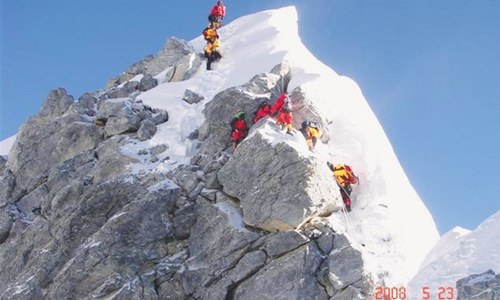
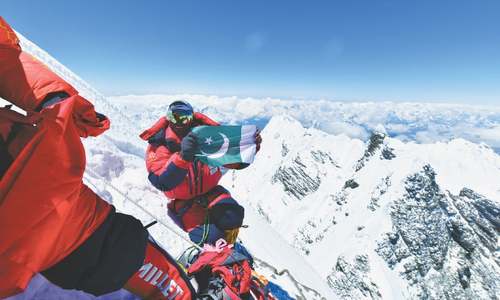
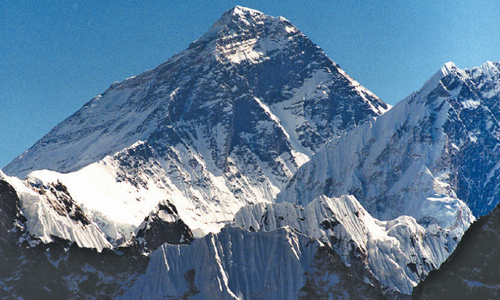
Standing at the top of the 8,848-metre mountain adds a star to a climber's resume, and many go on to forge careers as motivational speakers and authors.
The current system demands photos, and reports from team leaders and government liaison officers stationed at the base camp — but it has been open to attempts at fakery.
In 2016, another Indian couple were banned for 10 years after they faked photographs purporting to show them at the top of Everest.
The pair — both police constables — superimposed themselves and their banners onto photos taken by another Indian climber Satyarup Siddhanta at the summit.
Nepal is home to eight of the world's 14 highest peaks and foreign climbers are a major source of revenue.
The pandemic hit right before the beginning of the busiest mountaineering season last year, closing the industry, but climbers are now slowly trickling back into the country.
Yadav, Goswami and Phukon were yet to comment publicly following Wednesday's announcement.
Mingma Sherpa from Seven Summit Treks said: "It is a good decision from the government and a warning to others. Back then, everyone had said that they reached the summit so we reported it. But the mountaineering industry is based on trust and we must maintain it."