New law allows Oman to get first crown prince


 6
6


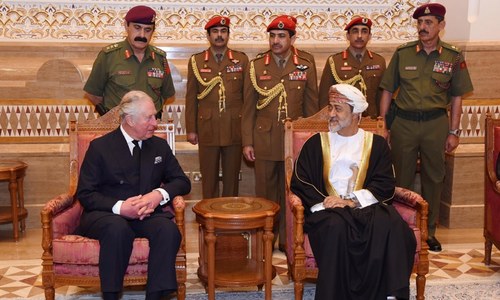
DUBAI: Oman’s sultan announced on Monday a constitutional shakeup that includes the appointment of a crown prince for the first time and new rules on how parliament will work, state media said.
A new basic law issued by Sultan Haitham bin Tariq al-Said also emphasises the role of the Gulf Arab state in guaranteeing more rights and freedoms for citizens — including equality between men and women, state news agency ONA said.
Sultan Haitham came to power a year ago after the death of his predecessor Sultan Qaboos, who transformed an impoverished backwater riven by internal conflicts into a state that plays a small but important role in international diplomacy.
Qaboos, who was childless, ruled Oman for 49 years without a publicly designated heir, naming his preferred successor in a sealed envelope to be opened after his death should the royal family disagree on the succession line. The family went with his choice.
The secrecy about the succession to Qaboos resulted in rumours and raised concerns for the country’s stability in the last years of his rule. Haitham’s plan to designate a crown prince could add predictability to Omani politics.
The new basic law sets out mechanisms for the appointment of a crown prince and his duties. The report did not say who would become the new crown prince or provide other details.
It also sets the rule of law and the independence of the judiciary as the basis for governance in the sultanate, a small oil producer and a regional US ally.
A separate decree created a new law for the parliament — the bicameral Council of Oman. The published text says changes to conditions of membership and the council’s terms of reference have been made, but no further details were given.
Sultan Haitham has shaken up the government and state entities and moved to enact long-awaited fiscal reform since taking power, appointing finance and foreign affairs ministers and a central bank chairman — portfolios held by the late sultan. Elana DeLozier, senior fellow at the Washington Institute said the decision announced on Monday is a further devolution of the Sultan’s power.
In October he approved a medium-term fiscal plan to make government finances sustainable.
Published in Dawn, January 12th, 2021